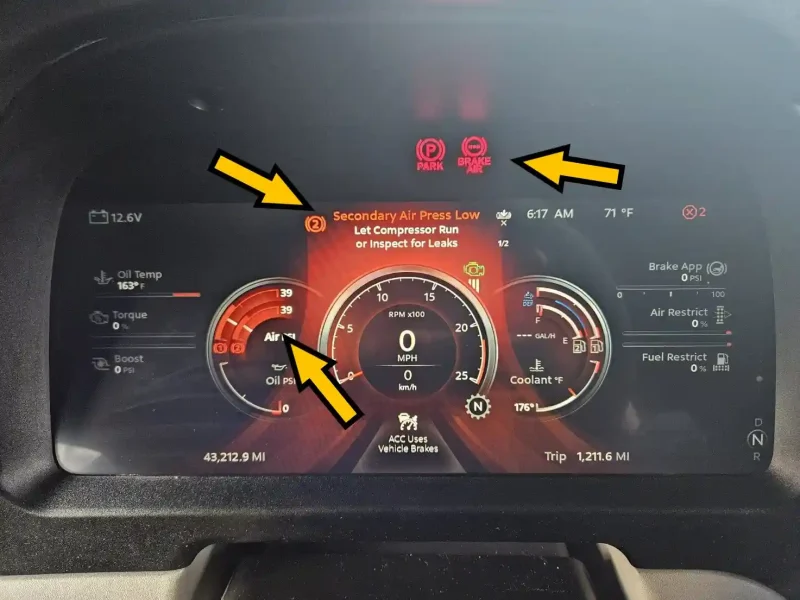

Ultimate Guide to Passing Your Pre-Trip Inspection Test

Hey there, I’m Alex. With 8 years in the trucking industry and over a decade of investing experience, my goal is to help fellow drivers succeed on the road. Whether its your first year driving or you want to become an owner operator. I’m here to help you out.
In this ultimate guide to passing your pre-trip inspection, I’m going to walk you through exactly what to check and why it matters. I’m Driver Alex, and I’ve spent over 8 years in the trucking industry, 5 years working at a local truck dealership, and 3 years driving regional routes. I’ve seen thousands of trucks and know what to look for before you end up stranded on the side of the road. So strap in, set your brakes, and let’s get started.
Tools You'll need
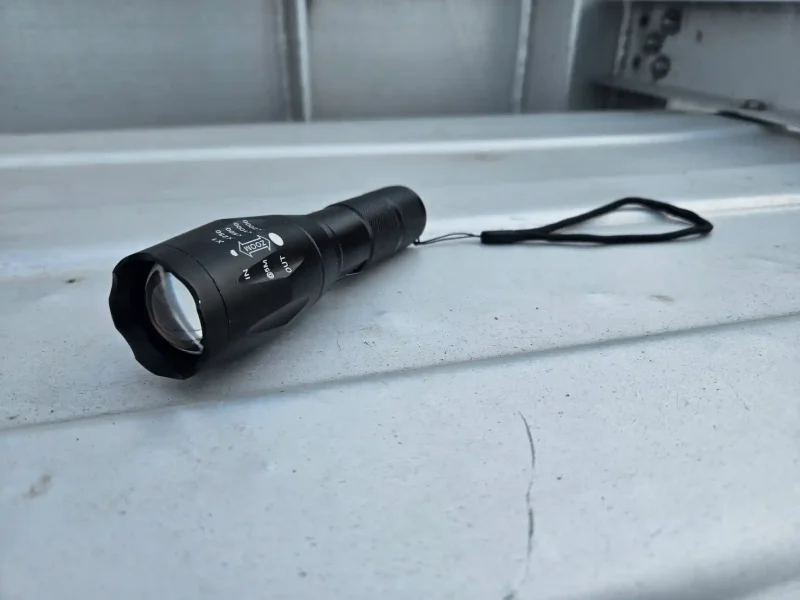
1. Flashlight
Flashlights are one of the most essential tools drivers use on a daily basis. Since many drivers begin their shifts before dawn, a reliable flashlight is crucial for conducting a thorough pre-trip inspection. Proper lighting allows drivers to identify potential issues that might otherwise go unnoticed in poor visibility, ensuring both safety and compliance. You can pick one up by Clicking Here
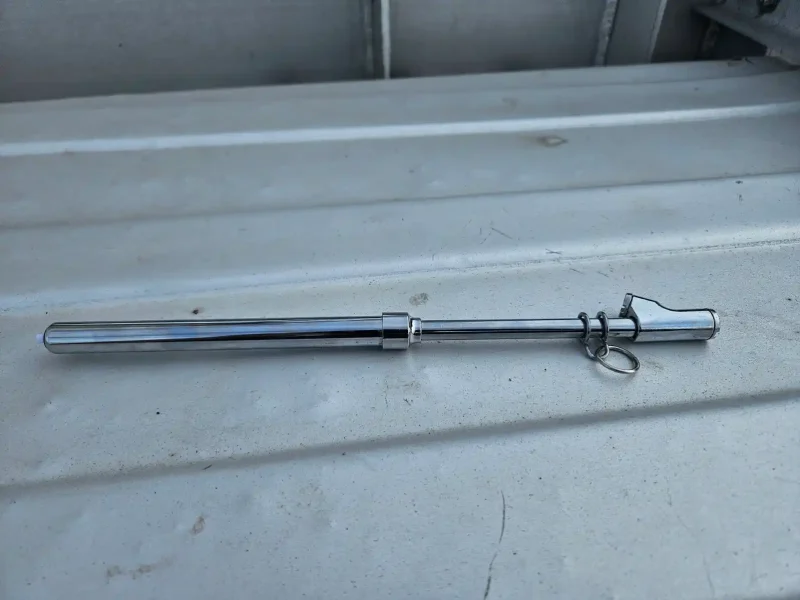
2. Tire Pressure Gauge
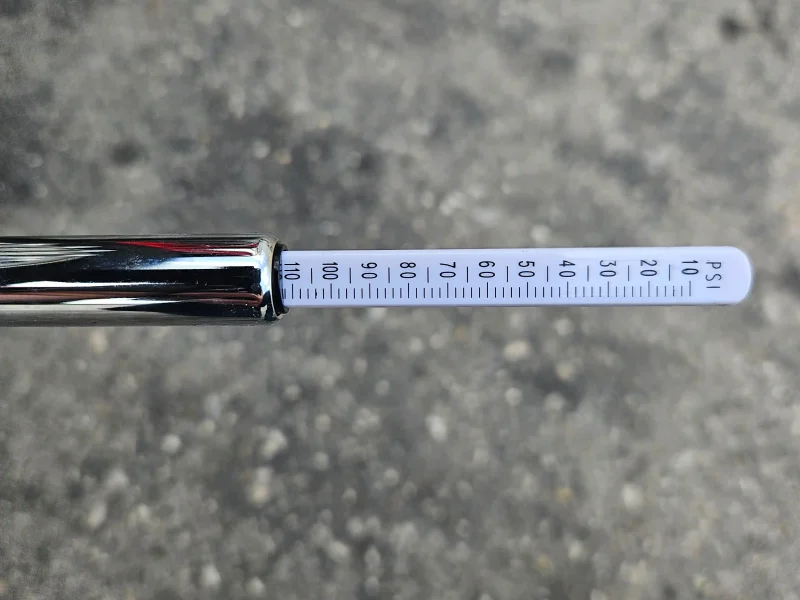
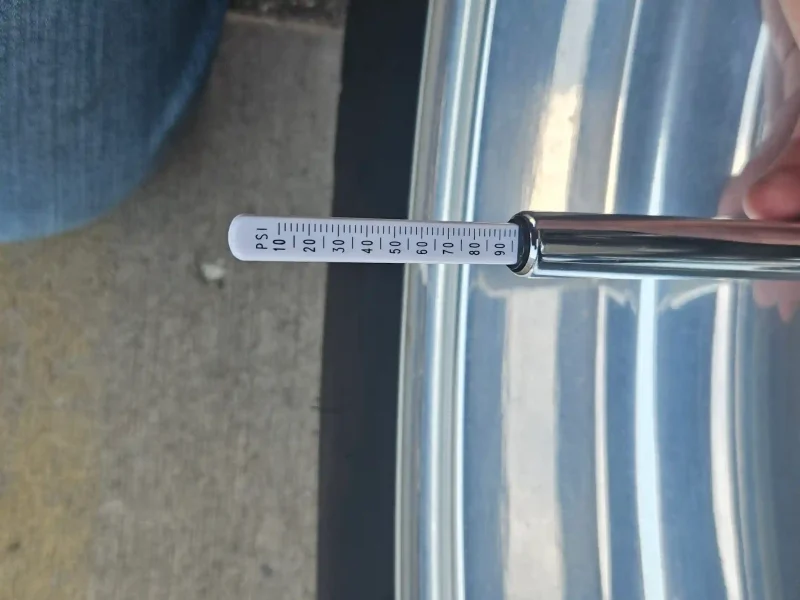
A tire pressure gauge measures the amount of air inside your tires. This is critical for safe driving. When a tire is low on air, it creates extra friction and heat. Too much heat can lead to a blowout on the road. The DOT and many weigh stations also use thermal cameras to detect tires that are running hotter than normal. If your tires show excessive heat, you are more likely to be pulled in for an inspection. Checking your tire pressure regularly helps prevent breakdowns, blowouts, and unwanted inspections. You can get one here.
3. Tire Depth Gauge
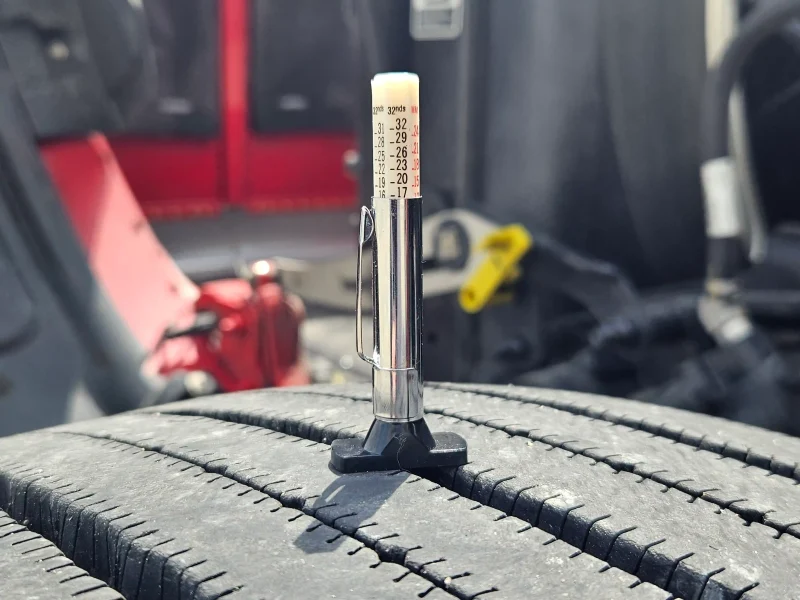
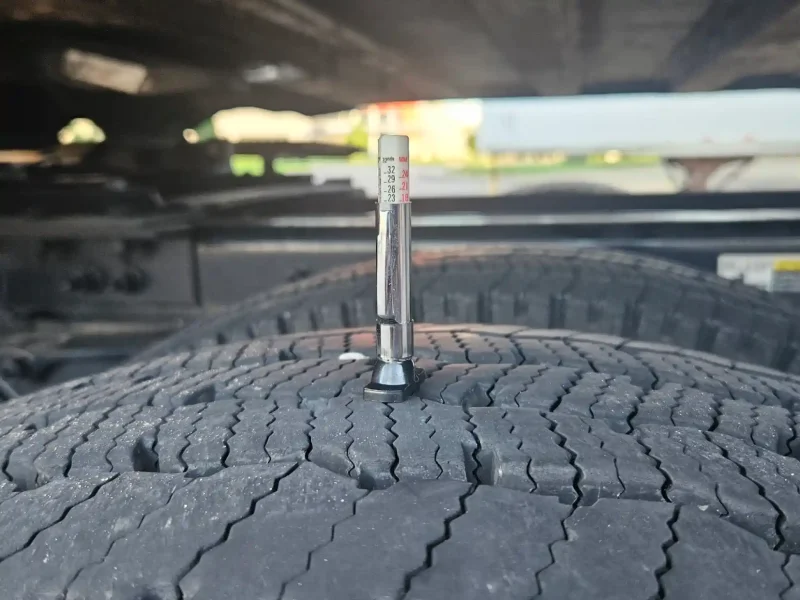
A tire tread depth gauge is one of the most overlooked tools that can help drivers avoid expensive tickets and costly downtime. This simple tool measures how much tread is left on your tires. Many gauges come with green and red indicators, making it easy to see if your tires meet DOT regulations. Checking your tread regularly helps you stay compliant, improve traction, and prevent unsafe driving conditions. You can get one here
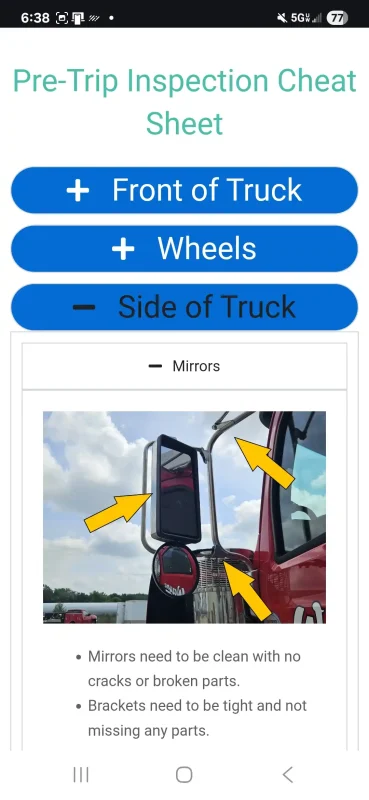
4. Pre-Trip Inspection Cheat Sheet
Back when I was studying for the CDL pre-trip exam, there wasn’t a good option to practice with the truck. My only option was to go to the CDL manual online, print it out, and practice. Little did I know that would be a hassle. It was wordy and lacked clear directions on what to look for and where. Plus, they flew halfway across the parking lot whenever a gust of wind came around. That’s why I made my own CDL cheat sheet that I could use on my phone without the hassle of bringing paper with me to the truck. If you’re interested in getting access to it, you can get it here.
Good Pair of Gloves
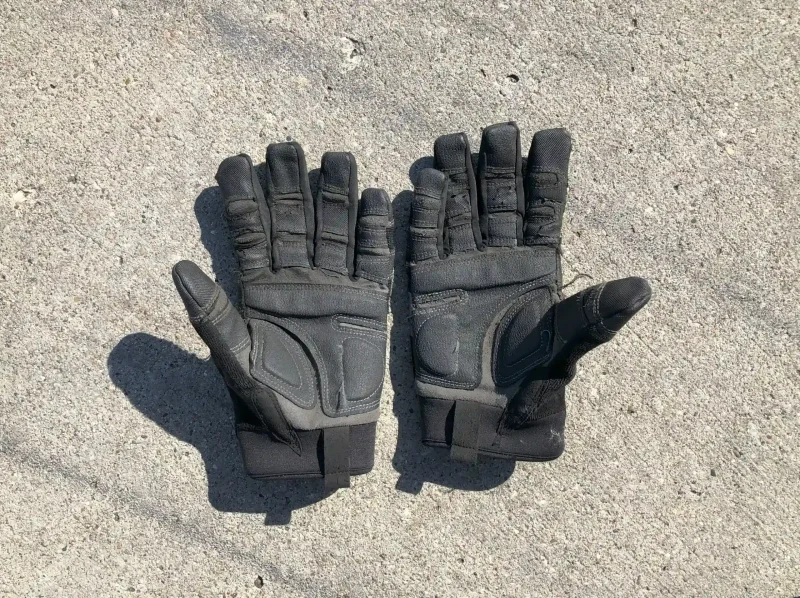
Gloves are one of the staples of working around trucks. They protect your hands from getting cut or burned on something hot, as well as preventing your hands from getting dirty. Something experienced drivers know too well, as once you get grease on anything inside the truck, it’s going to be a month before you get it all cleaned up. To help prevent any headaches, you can get a pair of gloves here.
Paper Towels
Finally, shop towels. You’ll mainly use these to wipe the oil off the dipstick. More on that later. To get a roll, you can get it here.
How I learned How to do a Pre-trip inspection
I’m one of the few newer drivers who got their CDL without going through a formal CDL school. That came with some pros and cons. The obvious benefit was saving thousands of dollars in tuition. But the downside? I had no idea what I was doing at first. The people who helped teach me had been driving since back when you could walk into the DMV, check a box, and walk out with a CDL without a written test or road test. On top of that, this was during COVID, when the DMV wasn’t answering phone calls. So, as most 20-somethings would, I turned to YouTube. I ended up finding a solid pre-trip inspection video from a CDL school down south. The instructor broke everything down clearly and focused on exactly what you needed to know. In that video, I learned the seven main areas we’re expected to inspect during a pre-trip, and those are:
7 Areas to Check During a Pre-trip Inspection
- Lights
- Engine
- Wheels
- Side Of Truck
- Trailer/ Hookups
- In-Cab Checks
- Air Brake Test
The easiest way I found to do a pre-trip is to start with a basic walk around and check all the lights. Then go front to back, checking all of the 7 areas. All the information below has been updated to the 2022 MN CDL Pre-Trip Test.
Lights Pre-Trip Inspection
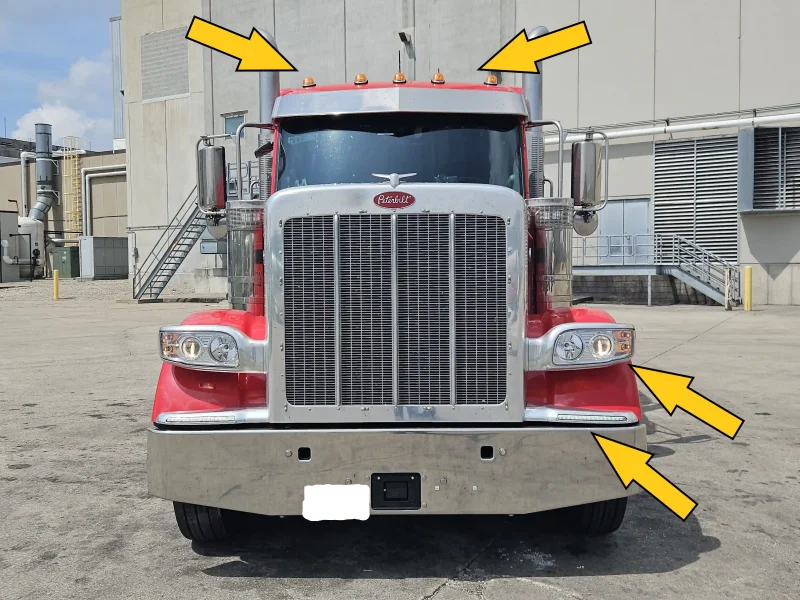
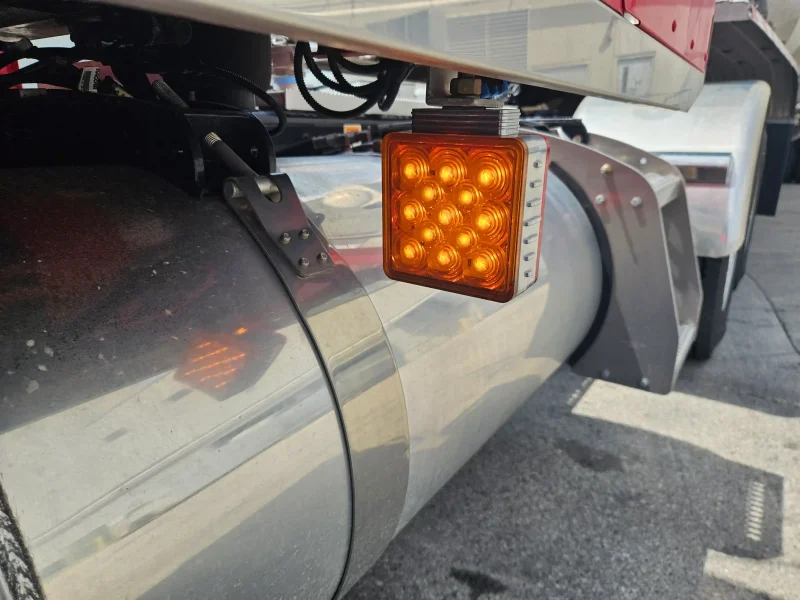
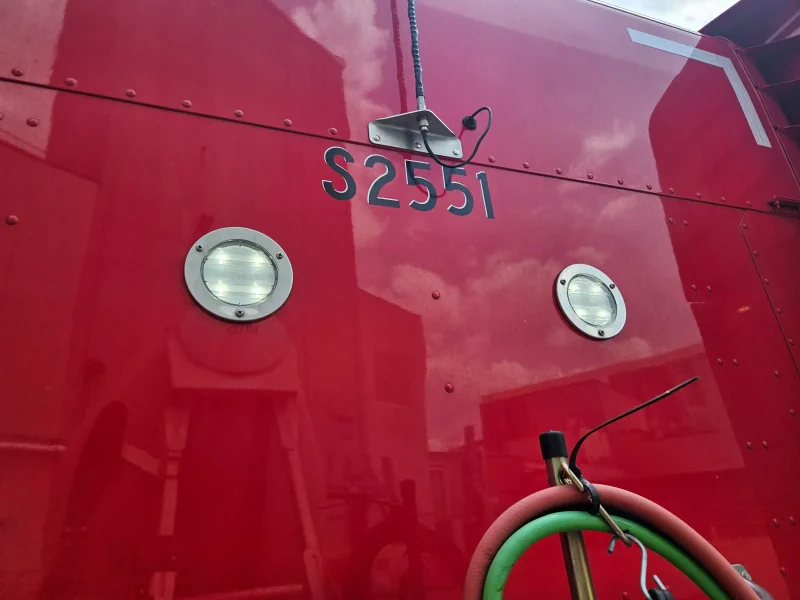
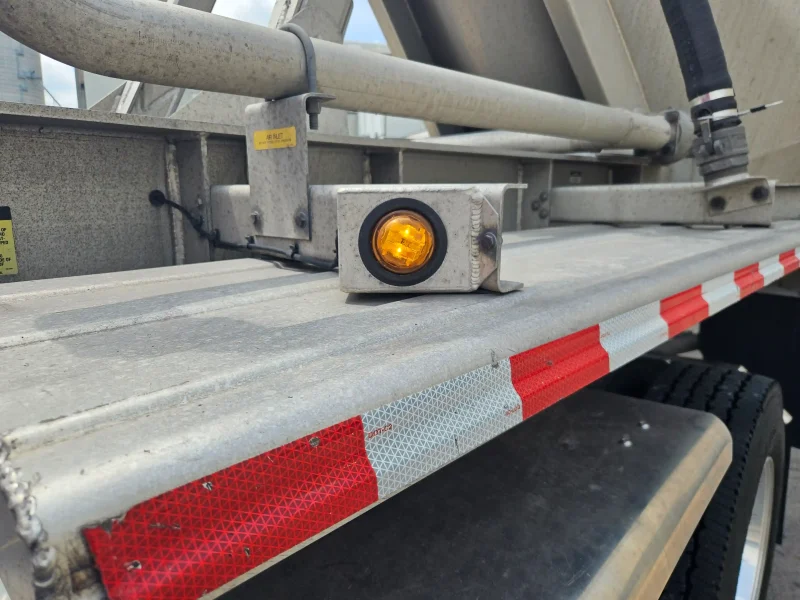
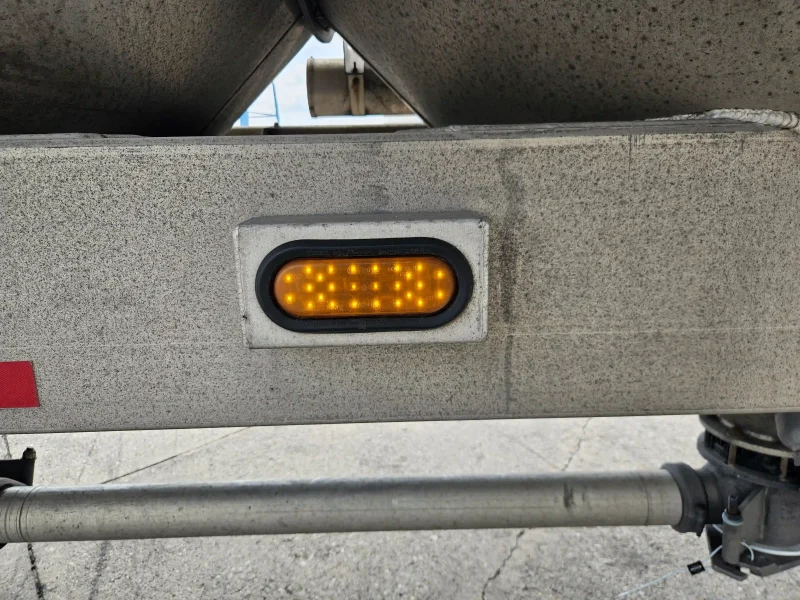
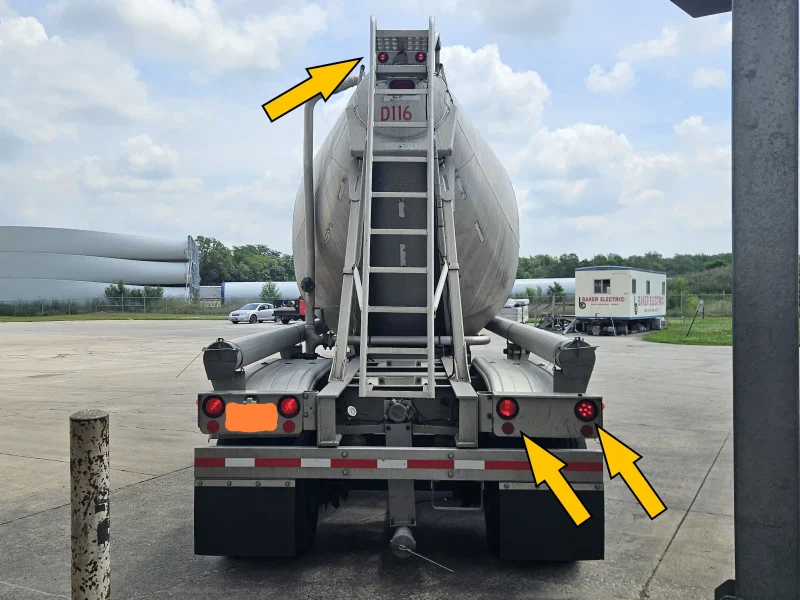
The first thing to check during a pre-trip inspection is your lights. Start by turning on all the lights and the 4-way flashers. Then take a walk around the entire truck and trailer. Make sure every light and turn signal is working properly, and that the colors are correct. Amber is in the front, and red is in the back. Finally, look closely at the lenses. They should not be cracked, broken, loose, or dirty. If a light isn’t working or a lens is damaged, it’s an easy thing for the Dot officer to notice while going through a weigh station and pull you in. Which is why it’s important to get it fixed before you hit the road.
Engine Pre-trip Inspection
Oil leaks
The first step when checking the engine is to look for any oil or coolant leaks. Inspect the engine, hoses, and the ground underneath the truck, making sure there is no fresh fluid present. Leaks can point to a failing hose or engine component, and if ignored, they can cause your truck to run poorly or even break down on the road. Many weigh stations also use cameras to check for fluid leaks under your truck, which is why it’s important to open the hood and carefully check for leaks before every trip.
Oil Level
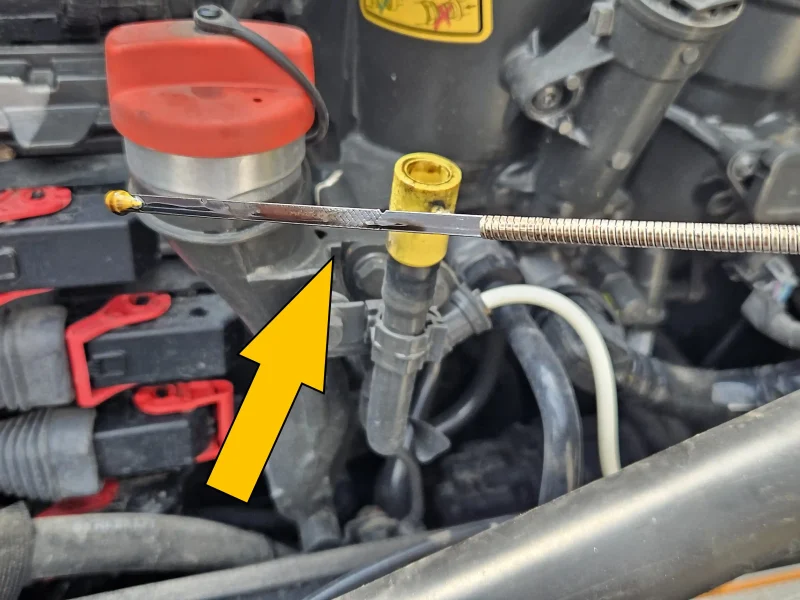
The next thing to check during your pre-trip inspection is the engine oil level. Make sure the engine is turned off before you begin. Pull out the dipstick and wipe it clean with a rag. Then slide it all the way back in and pull it out again to get an accurate reading. Check where the oil sits between the markings on the dipstick. (You can find what those markings mean in your owner’s manual.)
If the oil level is full, make sure the oil cap is tight, and there are no signs of leaks around it. Checking the oil is critical. If a truck runs low on oil, it can overheat, lock up, and completely destroy the engine. I’ve seen what happens when this gets ignored, and it is exactly what happened in the story below.
Bad Oil Leak Story
It was the middle of a bitterly cold North Dakota winter when one of my bosses came up to me and said, “Hey, Alex, a driver is coming this afternoon to pick up one of those sold trucks across the street.” “Great,” I thought sarcastically, facing what seemed like an impossible task, digging out a semi buried under several feet of snow and somehow getting it to start in -10° weather. So I spent the morning digging it out, then used a payloader to pull it over to an electrical outlet, hoping it would warm up enough to start. “Now we play the waiting game,” I muttered as I plugged in the block heater and hooked the batteries up to a charger. Two hours later, I returned. I turned the key and listened to the starting sequence. click, click, click, and then cranked it. chug… chug… chug chug chug. Success! It actually started. Little did I know this small victory would eventually cost our sales department a brand-new engine.
I unplugged the block heater and battery charger and let the truck warm up on its own. Fortunately, it didn’t have an idle shut-down feature, so I didn’t have to baby it every five minutes. An hour later, I came back to find a fresh oil stain spreading beneath the truck. “Well, sh!t,” I muttered, popped the hood, and quickly found the source; oil was leaking from a breather tube on the side of the engine. I snapped a picture and showed it to one of the head mechanics. “That thing is messed up,” he said. “You’ll need to replace a part inside the engine.”
I brought this to my manager, expecting him to postpone the pickup. Instead, he said, “Just put oil in it and send it on the driver’s way.” This guy had come from the used-car world and rarely fixed trucks properly. His approach was always the same: clean them out, spray a fresh coat of paint over any rusty parts, and sell them as-is. I did what I was told, added oil, and waited for the driver. When he arrived, I explained the oil leak and suggested he probably shouldn’t take the truck. He just shrugged. “I drive trucks with oil leaks all the time,” he said—and drove it down the road.
Later that week, I asked the accounting lady about it. She shook her head. “That thing made it fifty miles before breaking down completely. Now we have to buy a new engine.” Moral of the story? Don’t drive a truck down the road with a known oil leak, because you might end up buying a whole new engine.
Engine Continued
Coolant Reservoir
Things to check
- Coolant is Full
- Cap is Tight and Not Leaking
- Hoses Don't Have Cracks or Loose Connections
Next, move to the passenger side of the engine and locate the coolant reservoir. It is usually mounted near the top of the engine. Gently wiggle it to make sure it is securely attached. A little flex is normal, but it should not feel loose or unstable.
Look at the side of the reservoir to check the coolant level. Most reservoirs have a minimum line marked. If the fluid is below that line, it needs to be topped off before driving. Always make sure the engine is cool before opening the cap. Opening it while the engine is hot can be dangerous due to built-up pressure.
Finally, inspect the hoses connected to the reservoir. Look for any cracks, leaks, or loose fittings. Then check the cap to make sure it is on tight and not leaking. Signs of a leaking cap may include wet spots or dried coolant residue around the top or sides of the reservoir.
The reason to check this is that if the coolant is low or leaking, it can lead to the engine overheating. This can damage the radiator, warp the cylinder head, or even cause a blown head gasket. That is why checking the coolant system is a critical part of any pre-trip inspection.
Window Washer Fluid
Things to check
- Cap is Tight
- Washer Fluid is Full
- Missing or Loose Parts (Bolts, Nuts, Ect)
- Hose and Fittings For Cracks and Leaks
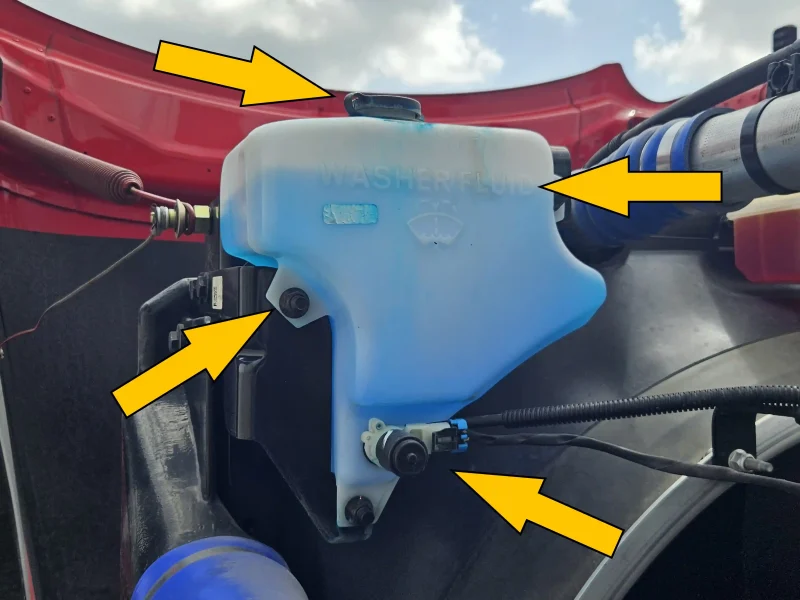
After you check the coolant, locate the windshield washer fluid tank. Gently shake it to make sure it is secure and mounted properly. Most tanks are clear, so you can easily see the fluid level. If it is low, fill it to the proper level. Then inspect the washer hoses for cracks or leaks and make sure the cap is on tight. Washer fluid is important because dirt, salt, and smashed bugs can quickly block your view, especially when the sun is bright or during a storm. I learned this the hard way during an ice storm when I forgot to check my washer fluid and ran out halfway through the day. Every truck stop was sold out, and I had to make do until I could get back to the terminal. A simple check can save you from a long, stressful day on the road.
Get Your Free Pre-Trip Cheat Sheet
Engine Belt
Things to check
- Belt Isn't Cracked or Frayed
- Belt is Tight
- Loose or Broken Parts
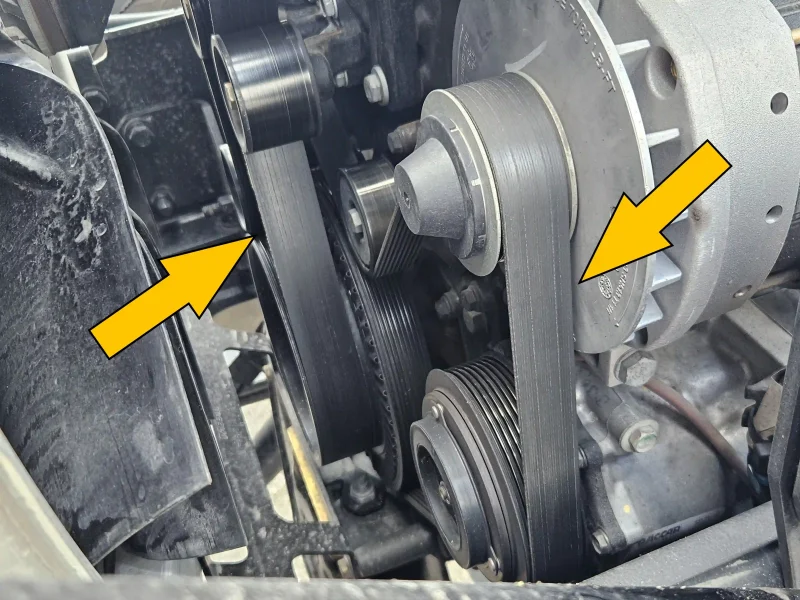
Right below the wiper fluid tank, you’ll see the belt that runs the engine. Look closely at the belt for any frays or cracks. If the belt looks bad, it could break while you’re driving, which might cause an accident. Next, gently pull on the belt with two fingers. It should feel tight, not floppy. If it feels loose, something might be broken, or the belt has stretched out, and it could fall off.
Power Steering
Things to check
- Power Steering Fluid is Full
- Cracks or Leaks in Hoses
- Power steering box is secure
- Power Steering is Not Leaking
- Steering Rod is Secure
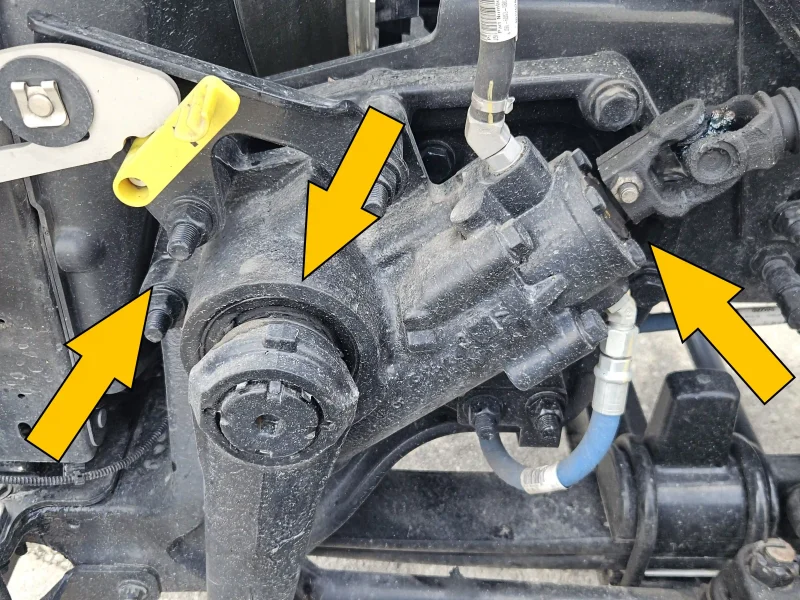
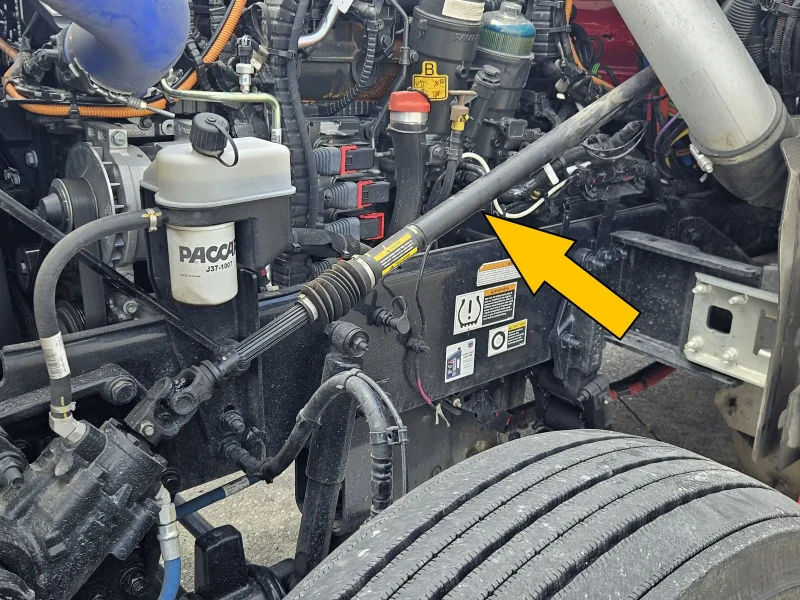
After you check the belt, find the power steering system. Mine is on the side where the oil and wiper fluid are. Look at the power steering reservoir (left picture) to see how full it is. There’s a special line on the side that shows how full it is. Next, check the hose coming from it for any cracks or leaks. Follow that hose to the power steering box (middle picture). Look to see if any parts are missing from the box. It should be held tightly to the truck. The hoses and the box should not be leaking any fluid at all. Finally, look at the steering rod (Right picture). The steering rod should be held tightly to the truck, with no parts missing, and it shouldn’t feel loose. Its important to check the power steering system because you could lose control of the truck and cause an accident.
Get Your Free Pre-Trip Cheat Sheet
Suspension
Things to check
- Leaf Spring is not cracked or Shifted
- Broken Parts
- Shocks for Leaks or Broken Pieces
- Shock Mounts for Missing Parts or Pieces
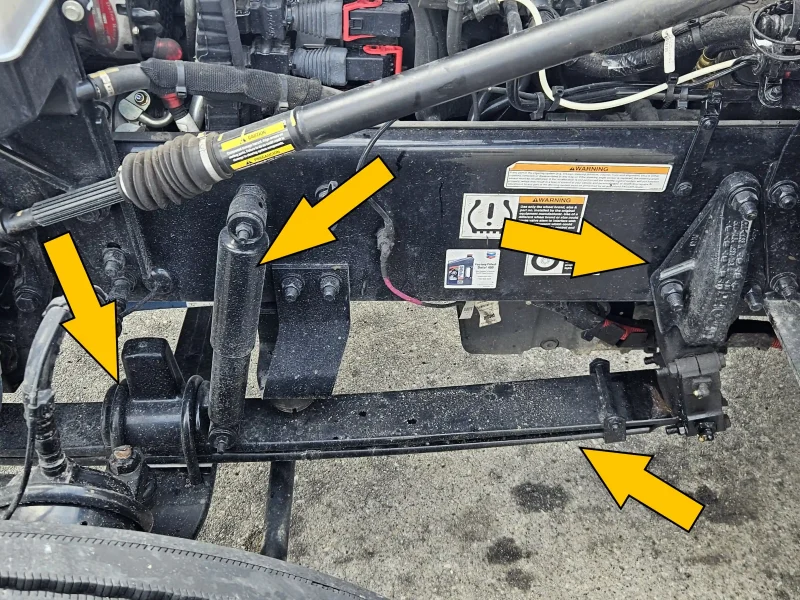
After we inspect the power steering, the next step is checking the suspension. First, look at the brackets that hold the leaf spring to the truck. They should be secure, with no cracks, bends, or missing parts. Next, inspect the leaf spring itself. It should not be cracked, broken, or have shifted out of place. There should be no leaves missing. Then check the U-bolts. They should be tight, with no broken or damaged parts. Finally, look at the shock absorber and its mounts. It should be securely mounted, with no missing hardware and no signs of leaking fluid. We check the suspension because if it fails, it can cause loss of control or even a rollover.
Rims and Wheels Pre-Trip Inspection
Steer Tires
Things to check
- Sides for Cracks, Scrapes, or Cuts
- Tire Treads are Wearing Evenly
- Air Pressure is 110 PSI
- Tread Depth at Least 4/32 in
- Virgin Tires ( No Recaps)
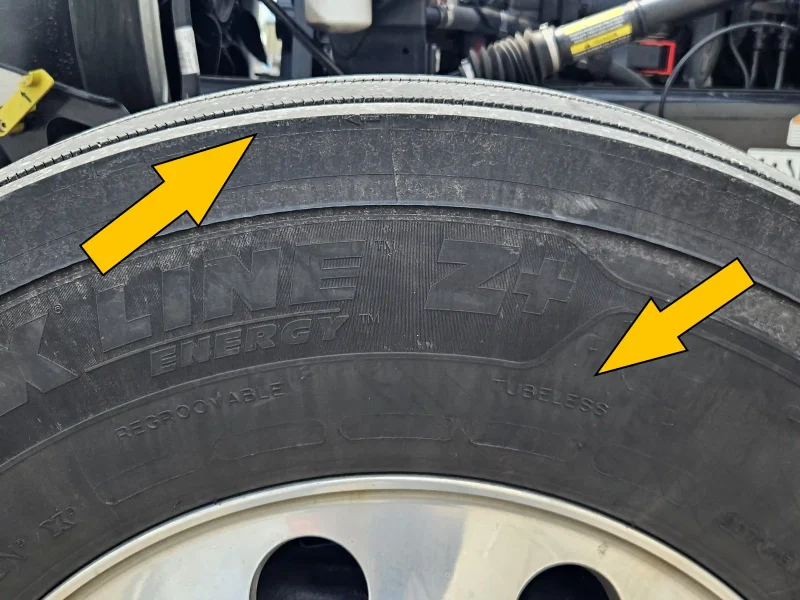
Now that we’ve finished checking the engine area, let’s move on to the steer tires. Start by looking closely at both sidewalls for any cuts, scrapes, or bulges. Even a small defect can cause a blowout while you’re driving. Next, inspect the tread. Steer tires must be “virgin” tires, meaning brand new from the factory. Some shops sell “recap” tires, where the old tread is cut off and a new layer is glued on. While recaps are fine for drive or trailer tires, they are not allowed on steer tires because they’re not as strong. Check that the tread is wearing evenly; uneven wear could mean your truck needs an alignment. Also, make sure your tread depth is at least 4/32 of an inch. Use a tread depth gauge, as shown in the middle picture, instead of relying only on the tire’s built-in wear indicators, since some spots can be lower than others. Finally, check the tire pressure. Steer tires should be at least 110 PSI. The most accurate way to check is with a tire pressure gauge, like the one shown in the right picture. Low tire pressure is one of the most common DOT violations, and officers can often spot it using roadside cameras. The main reason we check the drive tires is to prevent a blowout or if the tire treads are too low, hydroplaning or slipping.
Drive Tires
Things to check
- Sides for Cracks, Scrapes, or Cuts
- Tire Treads are Wearing Evenly
- Air Pressure is 90 PSI
- Tread at Least 2/32 in
The next set of tires you need to check is the drive tires. These tires don’t have as much restriction as steer tires, but they are still just as important. First, check the side walls of the tires. There shouldn’t be any defects, such as cracks, cuts, or scrapes, on them. The next thing to check is the tire treads. The treads must be at least 2/32 inch thick, and since the drive tires can be recapped, check that the treads for any cracking or loose areas where they are glued it to the tire. finally, the last thing to check on the treads is to make sure they are wearing evenly. This could mean something is wrong with your suspension or that your axles are unaligned. The last thing to check on the drive tires is to make sure they are at least 90 PSI. Having the correct air pressure in your tires decreases heat buildup and gives you more traction on the road.
Get Your Free Pre-Trip Cheat Sheet
Rims
Things to check
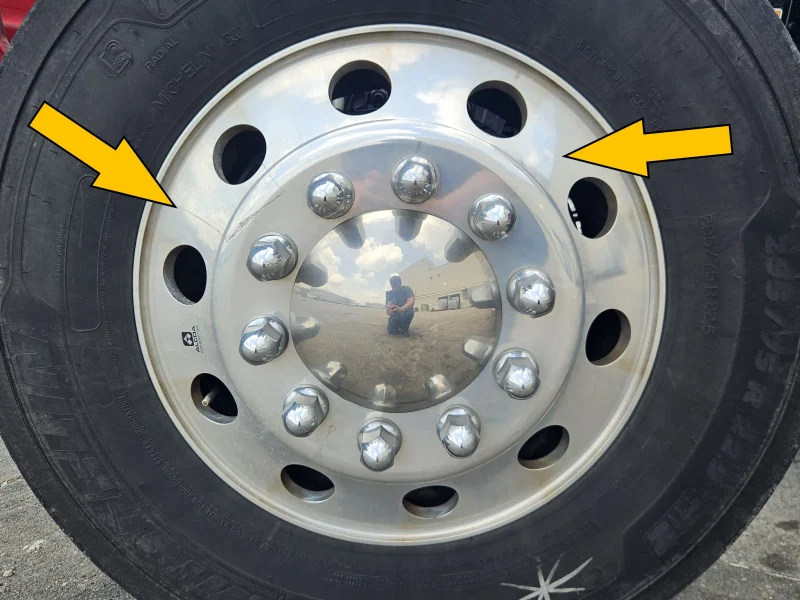
- Damage Such as Cracks or Dents
- Welding Repairs
Now that you’ve checked the tires, we can move on to the rims. Check for any damage, such as cracks or dents. This could cause air pressure to drop in the tires, or, in the worst-case scenario, cause a blowout on the interstate. Rims are not allowed to have any welding repair on them either. Welds weaken the rims, increasing the possibility of it falling off or a blowout.
Lug Nuts
Things to check
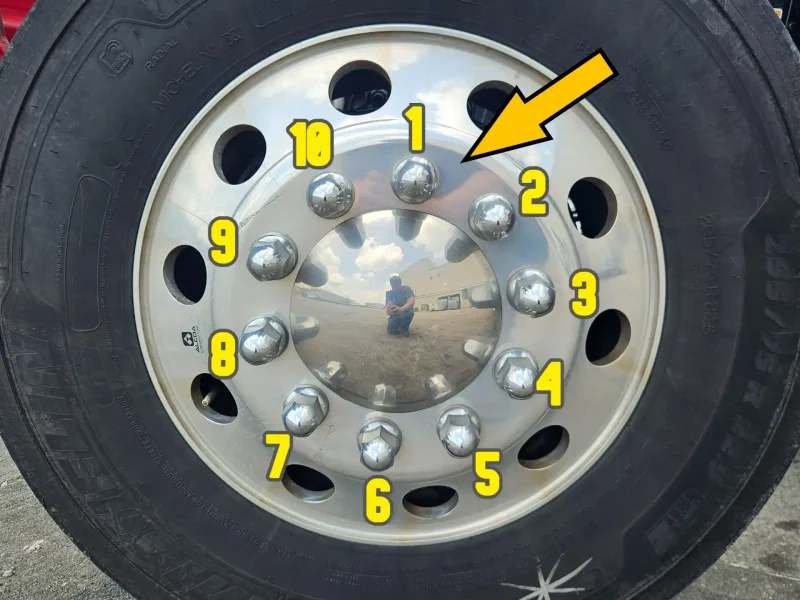
- All Lug Nuts are Present
- Rust Trails
- Shiny Metal Behind Lug Nuts
- Stud Holes Are Not Elongated
The final thing to check for on the wheels is the lug nuts. All the lug nuts need to be present and tight. Some indicators of the lug nuts being loose are rust trails coming off of them or a shiny metal behind them. Also, another indicator is that the stud holes in the wheel are elongated. The reason we check lug nuts is that they could come off, causing a crash.
Brakes
Things to check
- Air Leaks From the Hose or Brake Chamber
- Brake Chamber is Secure and not Missing Parts
- Brake Pads at Least 1/4 in Thick
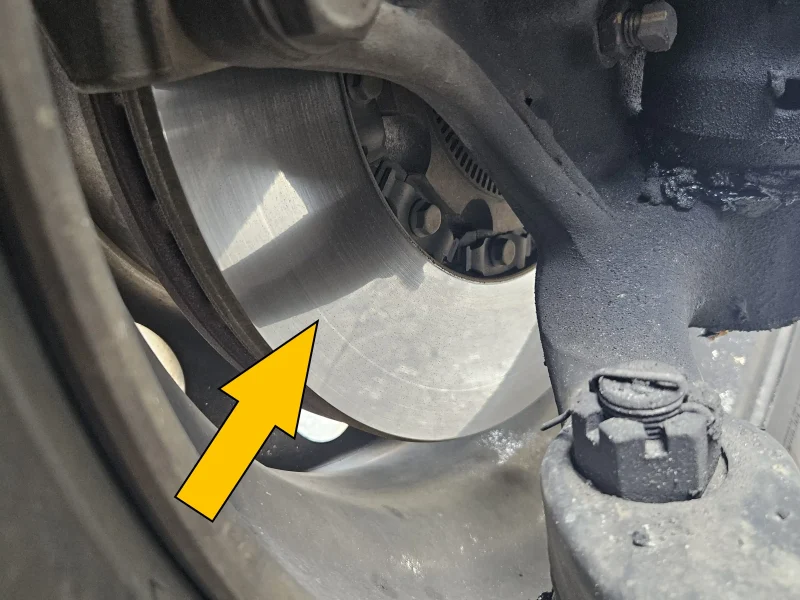
- Brake rotor or Drum has Blue Tinge
- Oil or Grease
The next thing to check on your pre-trip is the brake system. Listen closely for any air leaks coming from the air hoses or brake chambers. I’ve had a brake chamber leak before, and it was so quiet you could barely hear it. But once you’re on the road, you’ll notice your air gauge bouncing up and down instead of holding steady. While looking at the brake chambers, make sure they’re secured to the truck and not missing any parts, since that could cause your brakes to fail. Next, check the brake pads and rotors. The pads should be more than 1/4 inch thick, and the rotors should be free of grease, oil, or any other contaminants. Also, look for a blue tinge on the rotors. This means they’ve overheated and could be warped.
Side of Truck Pre-Trip Inspection
Mirrors
Things to check
- Mirrors are clean
- Cracks or Broken Glass
- Brackets are Tight
- Brackets are Not Missing Parts
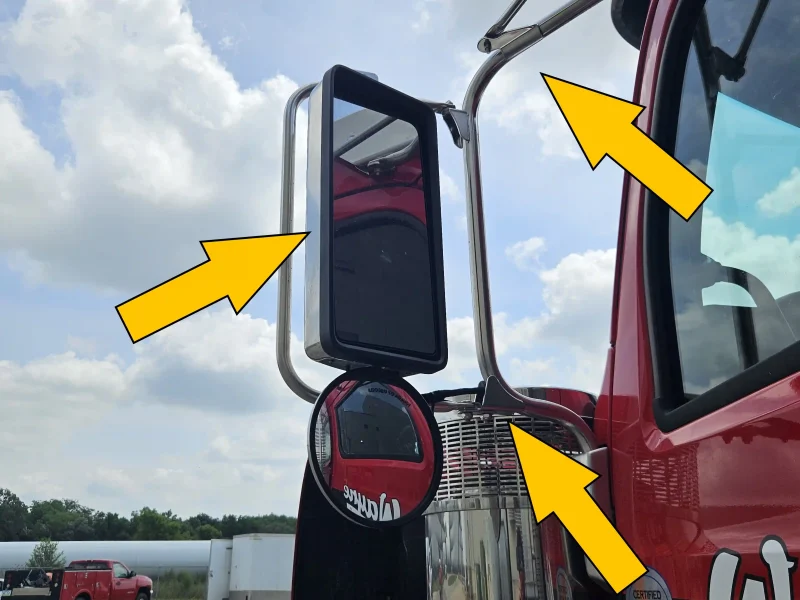
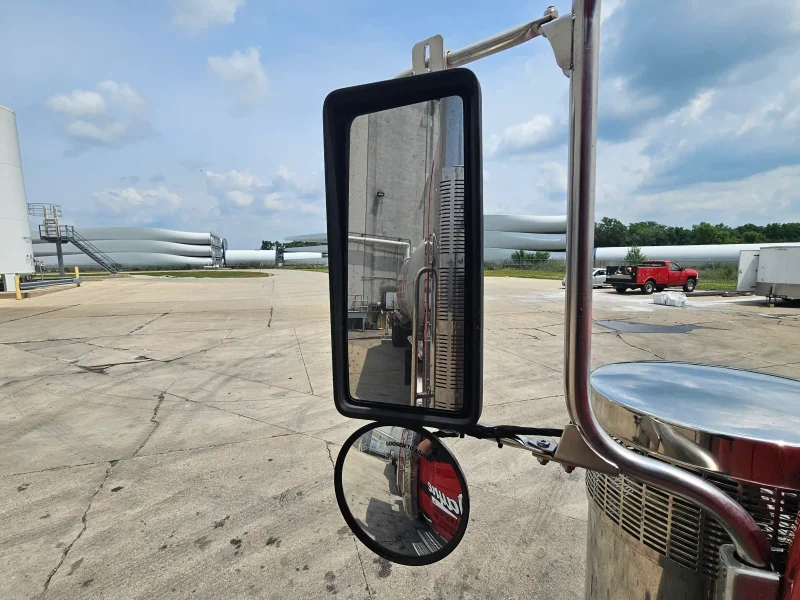
Now that we’ve checked the engine area, we can move to the side of the truck. The first thing to check is the mirrors. They need to be clean with no cracks or broken pieces of glass. The brackets holding it to the truck need to be tight with no missing parts. It’s important to check the mirrors because they help you see traffic behind you.
Batteries
Things to check
- Batteries are Secure
- Connections are Tight
- Connections does not have Corrosion
- Wires with Cracks or Worn Spots
- Cover is securely Fastened
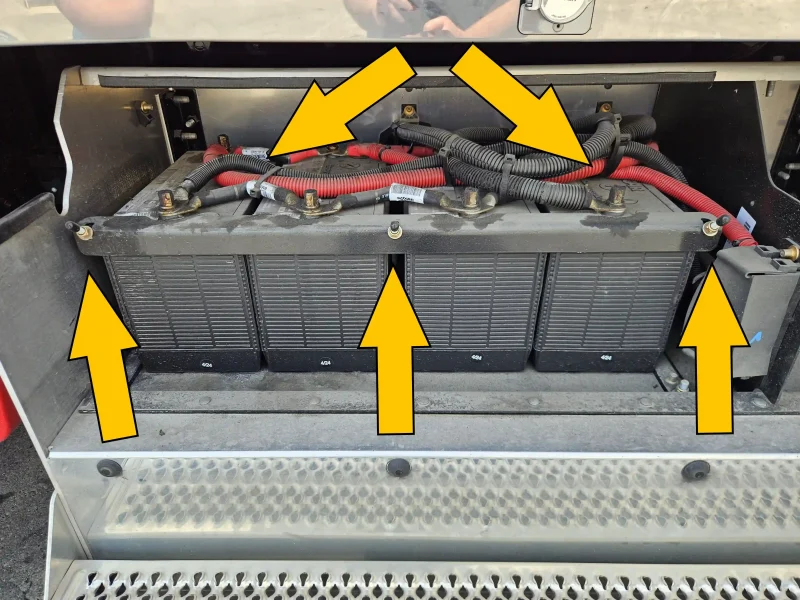
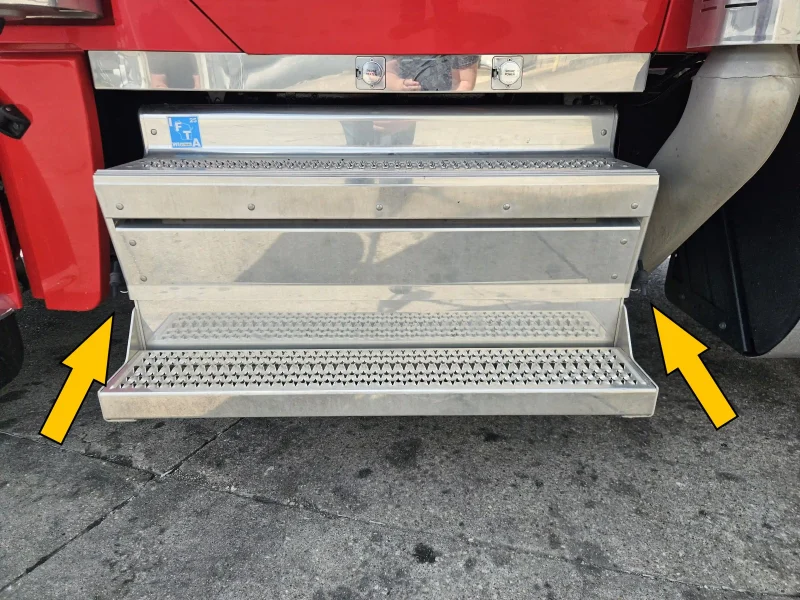
The next thing on your pre-trip inspection is the batteries. When checking your batteries, first locate them. Most trucks keep them under the driver’s side steps, but sometimes they’re mounted under the catwalk. Open the cover and look at the connections. Make sure they’re tight and not corroded.
After checking the cables, make sure the clamps holding the batteries are tight. Loose clamps can cause the wires to chafe or the batteries to rub together, which might cause an acid leak. Once you’re done, put the cover back on and secure it tightly to the truck.
*Quick story
I was heading back from a load when I noticed one of our company trucks parked on the side of the interstate. Not even a minute later, dispatch called me and asked if I could turn around and swap trailers with him. When I got there, he told me, “These wires corroded, and the truck just shut off on me. I think I was able to jerry-rig it enough to limp it back to the shop.” Chances are, he skipped checking his batteries on his pre-trip, and it cost him and me big time.
Fuel Tank
Things to check
- Fuel Tanks Securely Attached
- Fuel Cap Tight
- No Leaks
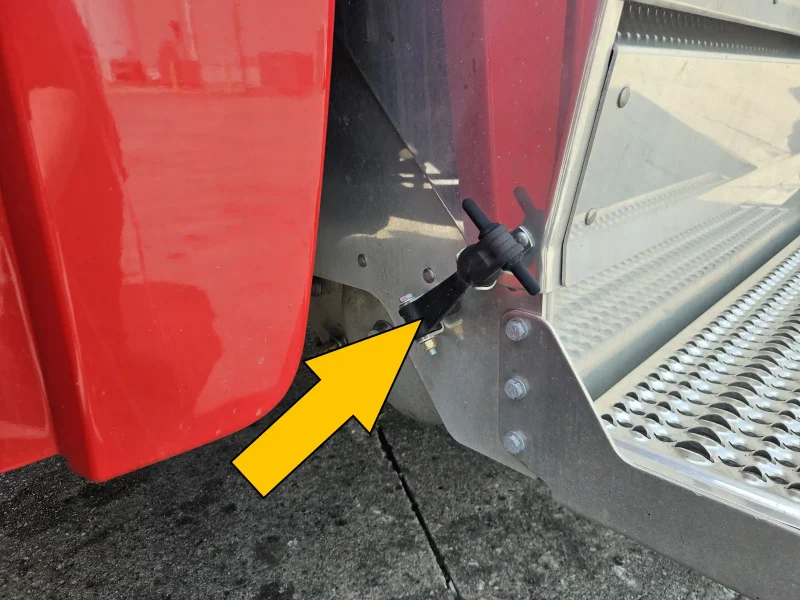
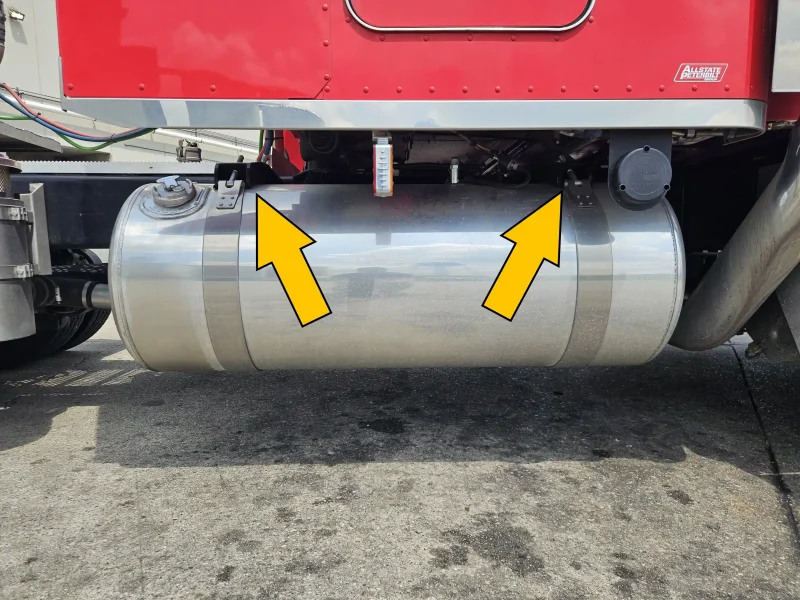
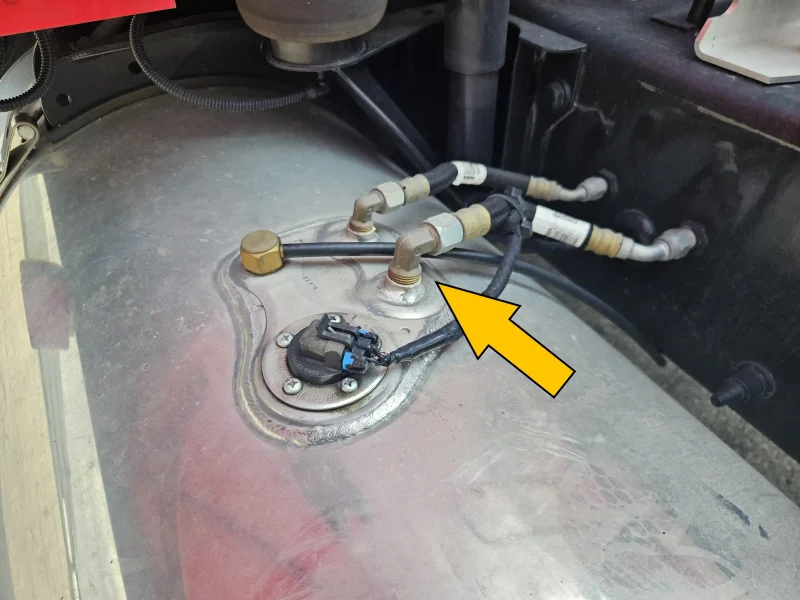
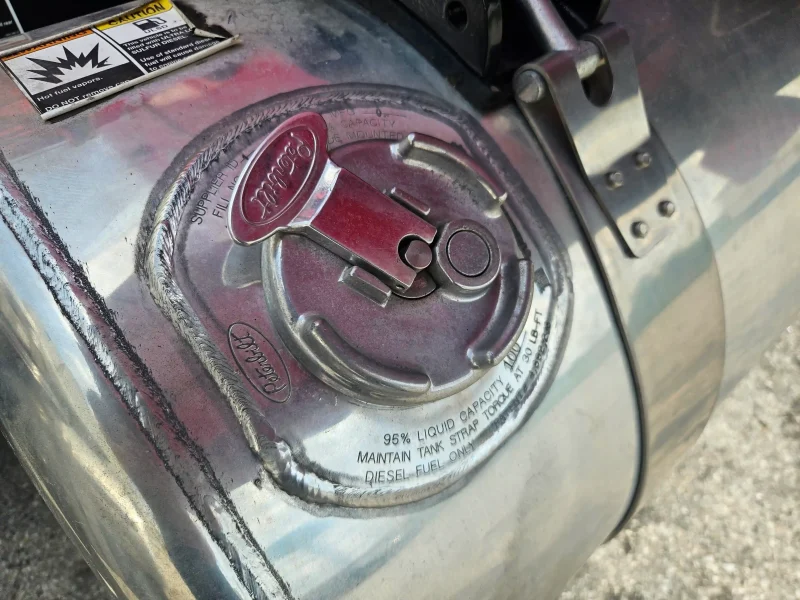
After checking the batteries, take a look at the fuel tanks. Make sure the fuel tanks are secured to the truck. Put your hand on the straps and feel for any movement. A sign that the tanks have shifted is that you might see shiny spots on the metal or a line where it rubbed against the strap. Next, check that the fuel caps are tight and not leaking. Finally, look over all the fuel lines and connections to be sure there are no leaks. The reason we check the fuel tanks for leaks is it’s a fire hazard.
Get Your Free Pre-Trip Cheat Sheet
Air Tanks
Things to check
- Air Tanks Secured
- Air Leaking
- Water is Drained From Tanks
The air tanks are probably one of the most overlooked things on a pre-trip. They are usually tucked under the truck and hard to reach. What you need to check on the air tanks is that they are secured to the truck. Then listen for any air leaks coming from them. Finally, pull the wires to let out any water that builds up in the tank. This is especially important in winter when the water can freeze and make your brakes not work properly.
Def Tank
Things to check
- Def Tank Secured
- Cap is Tight
- Def is not Leaking
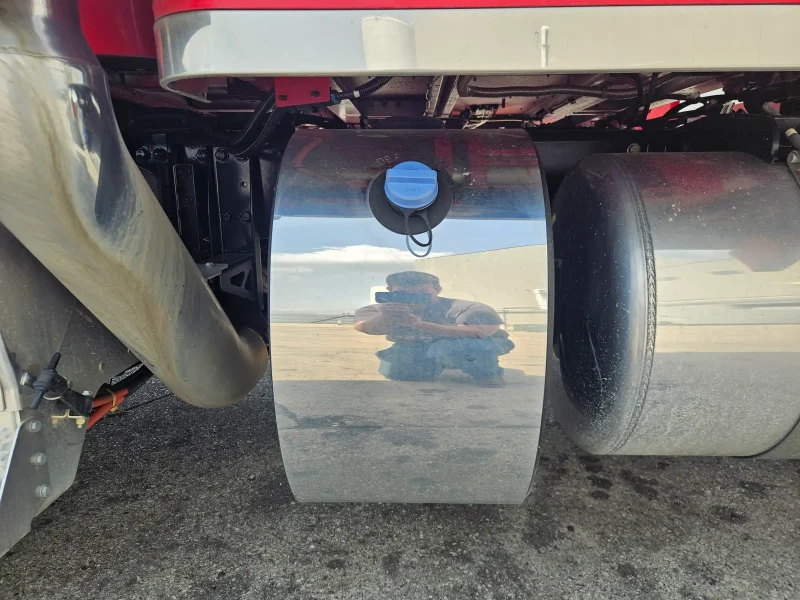
When checking the DEF tank, make sure it is securely mounted to the truck, the cap is tight, and there are no leaks. Inspect the hoses as well to ensure they are not cracked or leaking DEF. This is important because if the truck does not receive the proper amount of DEF, the engine may not run correctly and could eventually derate.
Truck Frame
Things to check
- Cracks
- Broken Welds
- Damage to Cross Members
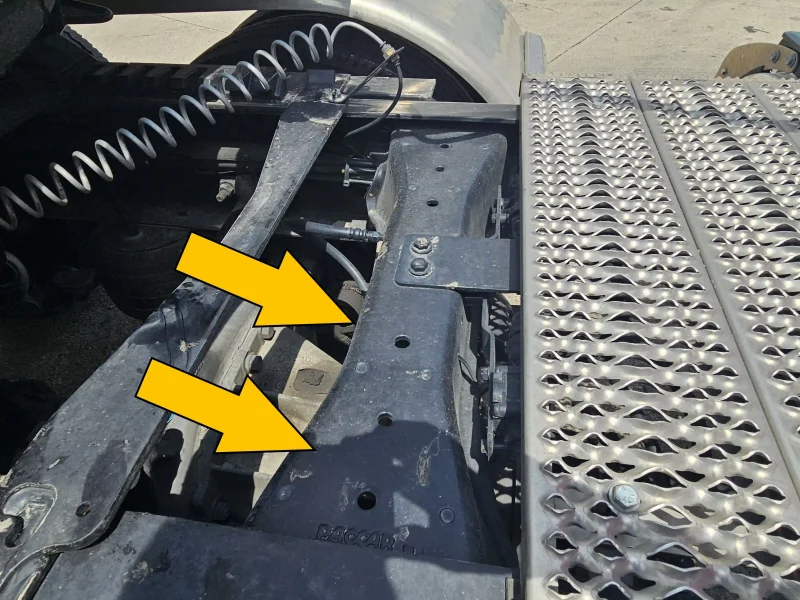
Look to see if the frame is cracked anywhere. Cracks weaken the frame and could cause your truck to collapse on itself. Also, check that the frame doesn’t have any broken welds or broken huck bolts (rivets holding the truck together). These hold everything together, and having anything broken or missing weakens the frame. Finally, check that the crossmembers don’t have any damage on them. These keep the frame from flexing too much and warping.
Get Your Free Pre-Trip Cheat Sheet
Rear Suspension
Things to check
- Leaf Spring Mounts for Cracks
- Leaf Spring Mounts Have Not Shifted
- Broken parts
- Broken or Leaking Shocks
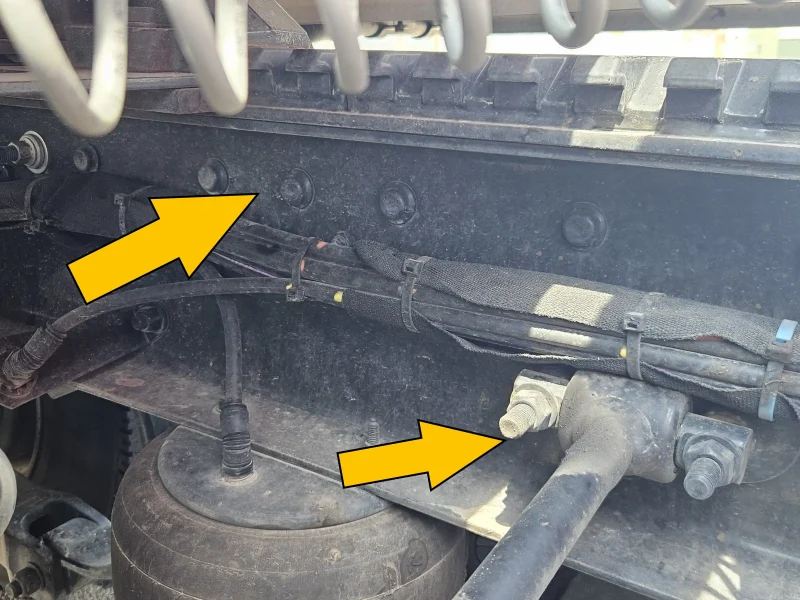
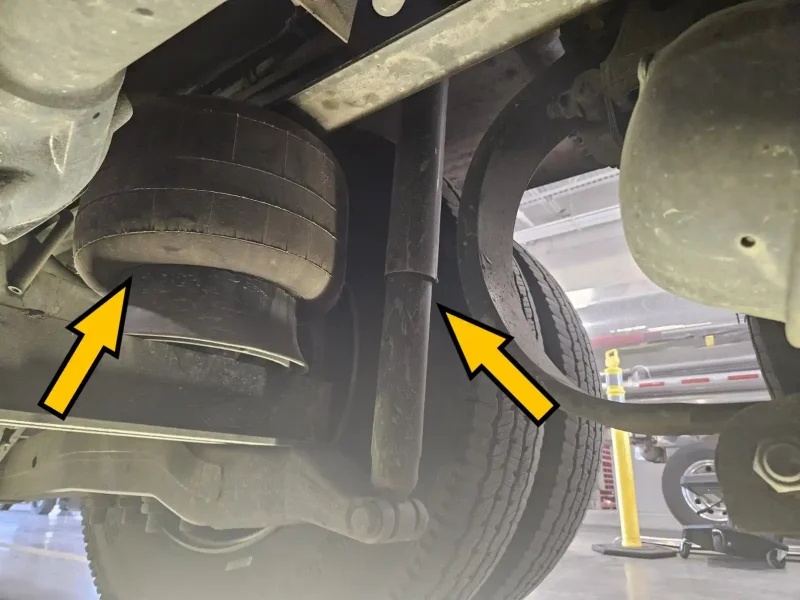
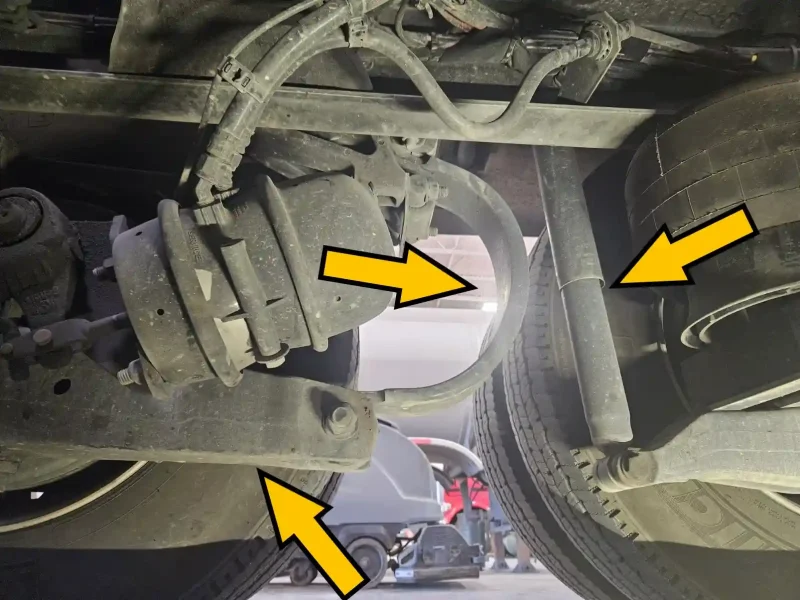
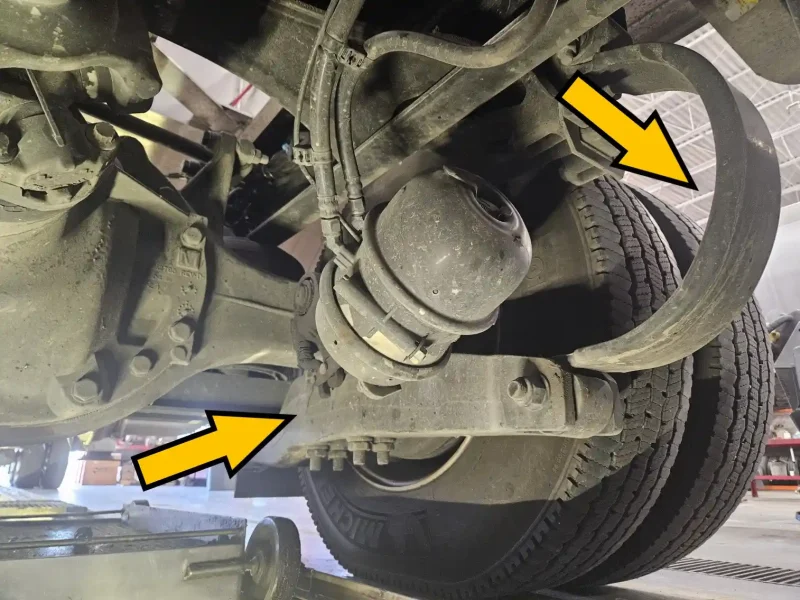
You’re almost done checking the truck. The final major system to inspect during your pre-trip inspection is the rear suspension. Start by looking at the spring mounts that hold the axle to the truck. They should be secure, with no missing, cracked, or broken parts. Check the leaf springs to make sure they are not cracked, shifted, or damaged. Next, inspect the airbags. They should be properly mounted, fully inflated, and free of cuts, dry rot, or air leaks. Finally, check the shock absorbers to make sure they are securely mounted, undamaged, and that no fluid is leaking. A damaged rear suspension can affect handling, tire wear, and overall safety, so take your time and inspect it carefully.
Trailer and Hookup Pre-Trip Inspection
Fifth Wheel Plate
Things to check
- Plate is Secure to the Truck
- Heavy Damage (Cracks, Breaks, Excessive Wear)
- Properly Greased
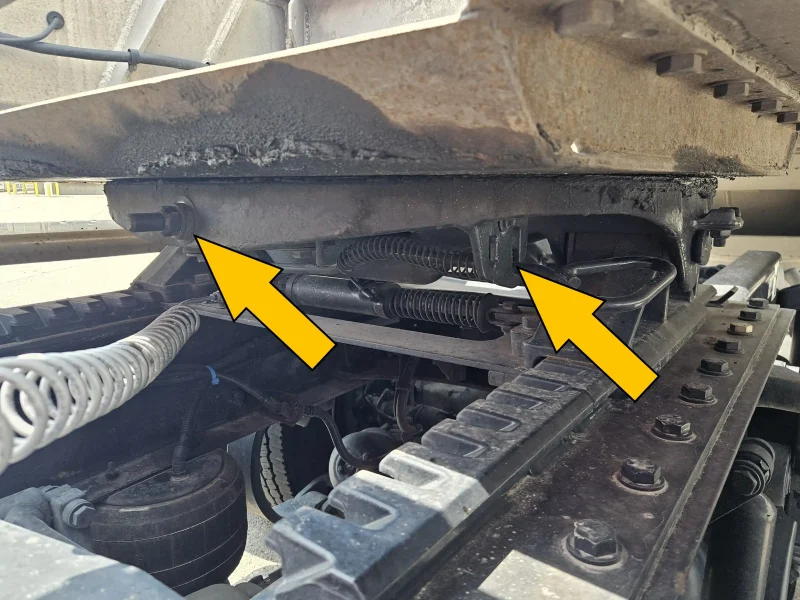
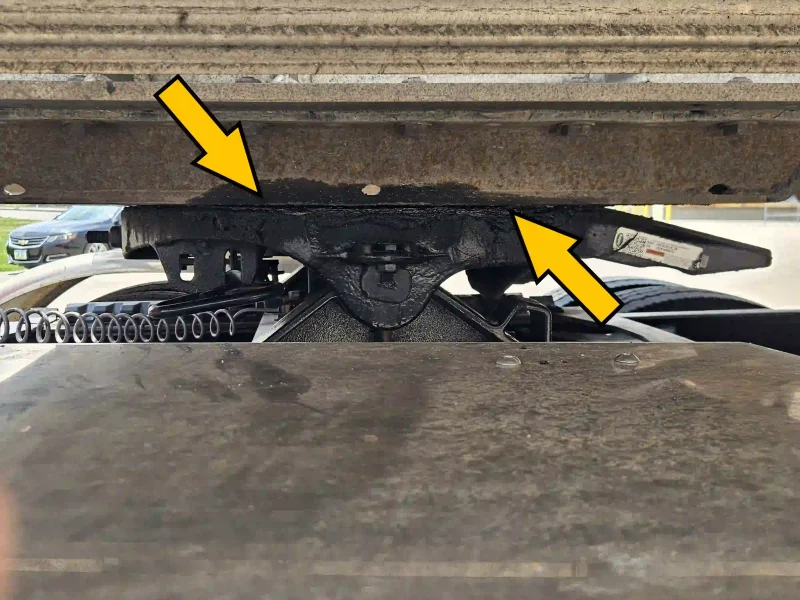
Alright, we’ve made it to the last half of the pre-trip inspection. When you get to the fifth wheel plate, make sure it’s nice and secure to the truck. I like to start by checking the mounting bolts that hold it in place, then take a look at the pins that let it tilt up and down to be sure there aren’t any cracks or damage.
Next, check out the fifth wheel plate itself. You don’t want to see any cracks, excessive wear, or warping. I’ve seen a few that bent over time, so make sure yours sits flat on the truck.
And don’t forget the grease! That grease helps the locking jaws move smoothly and cuts down on wear when the two plates slide against each other.
Its important to check the fifth wheel plate because it might make it harder to control or come off completely.
Fifth Wheel Locking Mechanism
Things to check
- Locking Lever is in Place
- Locking Jaws are Around Kingpin
- Sliding Fifth Wheel Plate is Locked
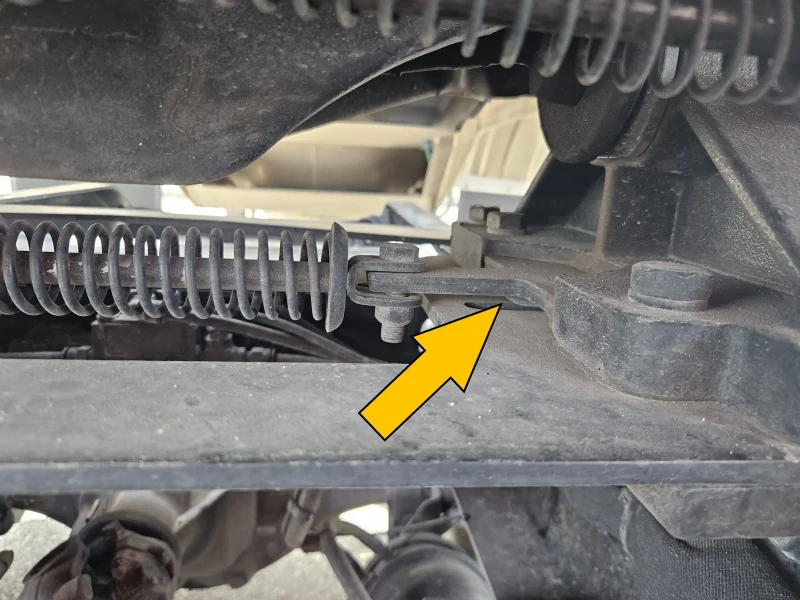
While we’re looking at the fifth wheel, make sure the locking mechanism isn’t missing any parts. As well as everything’s working as it should. The locking handle and the locking jaw pin should be pushed in. Next, crawl underneath the trailer and check that the locking jaws are wrapped snug around the kingpin. And finally, make sure the locking jaws for the sliding fifth wheel plate are in the locked position. Its important to check the fifth wheel locking mechanism because if it’s damaged or not hooked up properly, the trailer could come off and injure people.
Get Your Free Pre-Trip Cheat Sheet
Kingpin, Apron, Gap
Things to check
- Kingpin for Damage (Bent, Worn)
- Apron for Cracks, Bend, Broken Peices
- No Gap Between Apron and Fifth Wheel
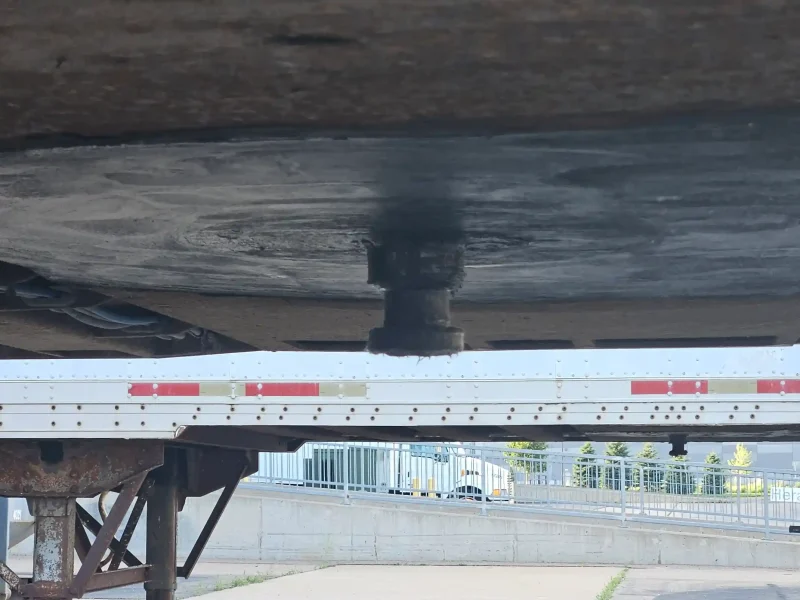
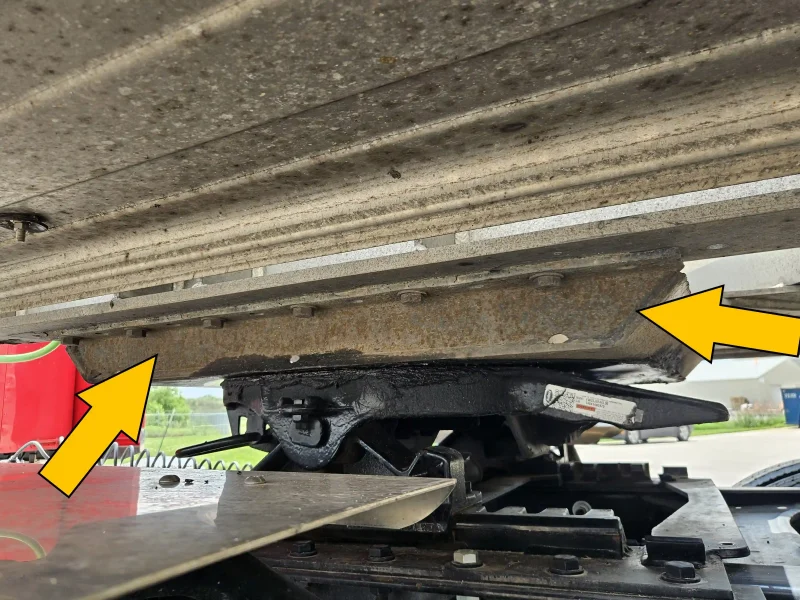
Now we’re at the trailer part of the pre-trip inspection. First, look at the kingpin. Make sure it is not bent or worn. If it breaks, the whole trailer could fall off. Next, check the apron on the trailer. It should not show signs of cracks, bends, or breaks. If it is, the trailer could lose control or come loose. Last, look between the fifth wheel and the apron. You should not see any light. If you see light, it means they are not locked together right and the trailer could come off.
Trailer Connections
Things to check
- Air and electrical lines set properly
- Lines for Cuts, Chafes, or Worn Areas
- Listen for Air Leaks
- Lines Are Up Off The Catwalk
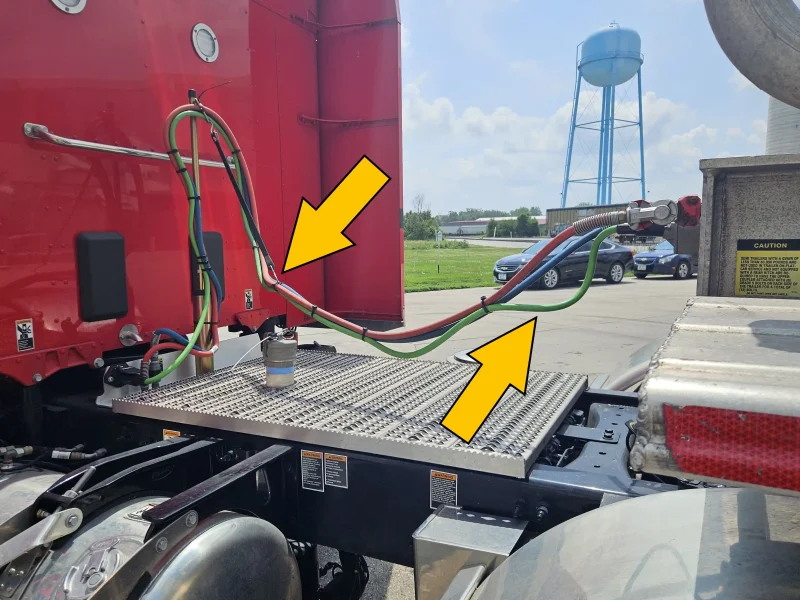
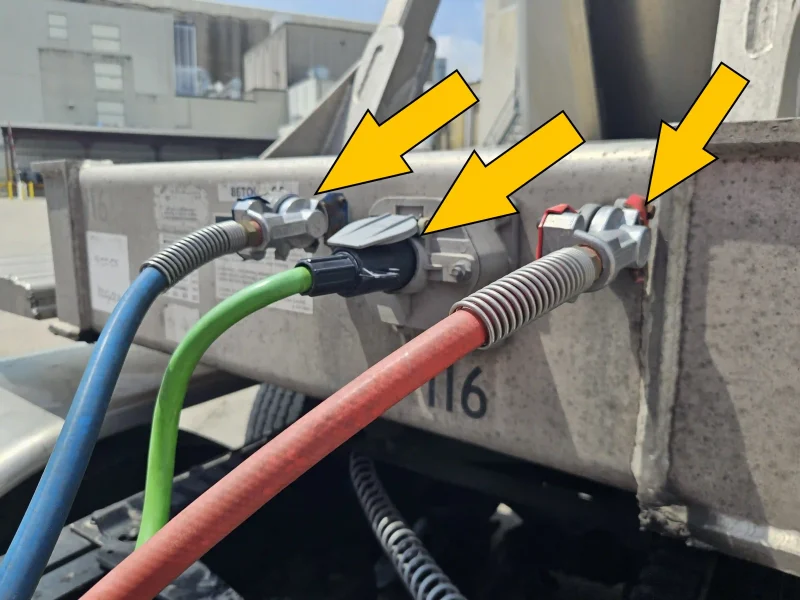
Next, check your trailer connections. These are the lifeline to your trailer because without them, your lights and brakes will not work. Start by listening for any air leaks. If you hear one, it’s usually where the hose connects to the trailer or where it bolts to the truck. Make sure the air hoses and electrical line are secured and sealed properly to prevent leaks and keep the electrical line from bouncing around and affecting the trailer lights. Look over the hoses for any cuts, chafing, or worn spots, since a damaged hose could dump all the air from the truck and trailer, leaving you unable to move. Finally, make sure the lines are lifted off the catwalk so they don’t rub and wear down over time.
Landing Gear
Things to check
- Fully Raised
- Crank Handle is Secure
- No Missing or Damaged Parts.
- Enough Room to Make Turns.
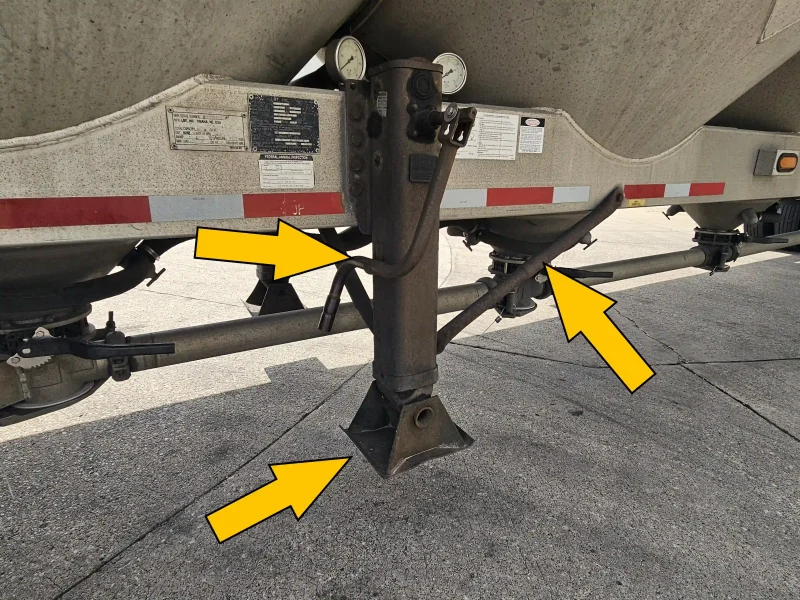
When checking your landing gear, make sure all parts are present and not damaged. Missing or broken parts can make the landing gear unstable and cause the trailer to tip when you drop it. Next, make sure the landing gear is fully raised and the handle is secured in its holder. This prevents damage while driving. Finally, check that there is enough space between the landing gear and the truck’s mudflaps. You need proper clearance so you can make turns without hitting or damaging anything.
Get Your Free Pre-Trip Cheat Sheet
Reflective Tape
Things to check
- Reflective Tape Is On The Trailer
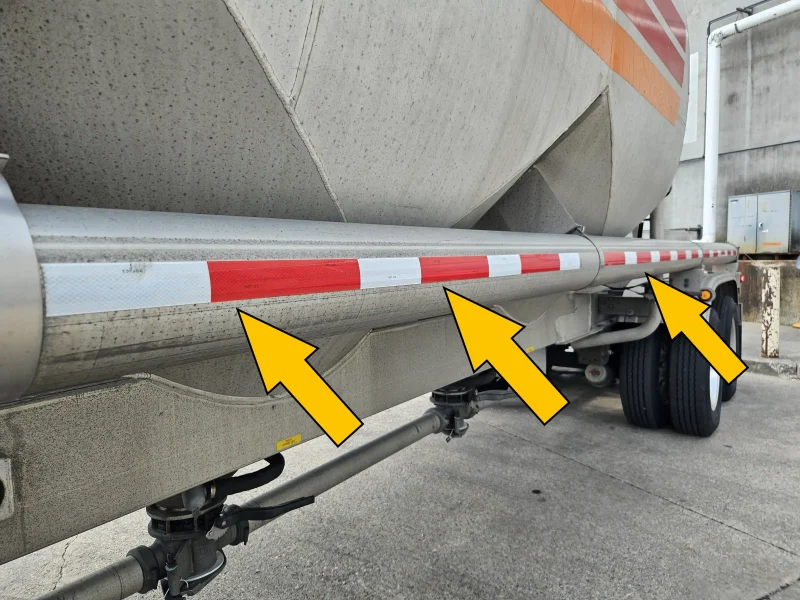
The final thing to check before going inside the cab is the reflective tape. Make sure it runs along both sides of the trailer and across the rear bumper. The tape helps cars and other trucks see the full size of your trailer at night. This is especially important because it’s something DOT officers can easily spot while you’re rolling through a weigh station.
Inside the Cab Pre-Trip Inspection
Emergency Equipment
Things to check
- 3 Reflective Triangles or Flares
- Charged Fire Extinguisher
- Fire Extinguisher is Secure
- Spare fuses/ Miscellaneous Parts
Inside the cab, check that you have all required emergency equipment. You need three reflective triangles or three flares. These are used if you’re stopped on the side of the road so other drivers can see you sooner and avoid hitting you. Next, check your fire extinguisher. It must be properly charged and securely mounted. If something catches fire, you need to act fast, and a working extinguisher can prevent serious damage. Finally, make sure you have spare fuses and other necessary small parts. A blown fuse is usually an easy fix and can help you get back on the road quickly.
Windshield
Things to check
- Clean
- Free of Obstructions
- Chips
- Cracks
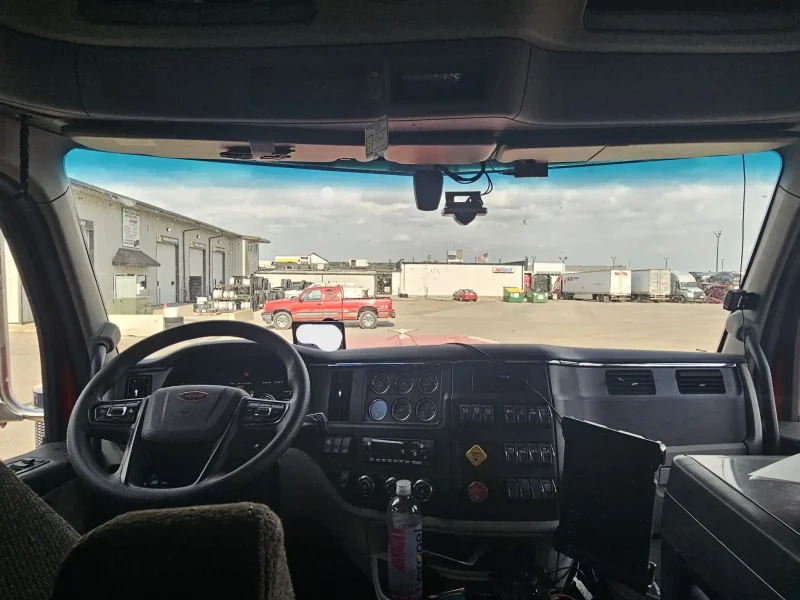
The next thing to check on your pre-trip inspection is the windshield. Make sure it is clean and free of any obstructions. Look closely for chips or cracks. Your windshield is your main way of seeing the road, so the clearer it is, the safer you’ll be. Cracks are especially important to fix because they can spread over time, and DOT officers can easily spot them when you go through weigh stations.
Get Your Free Pre-Trip Cheat Sheet
Mirrors
Things to check
- Clean
- Properly adjusted
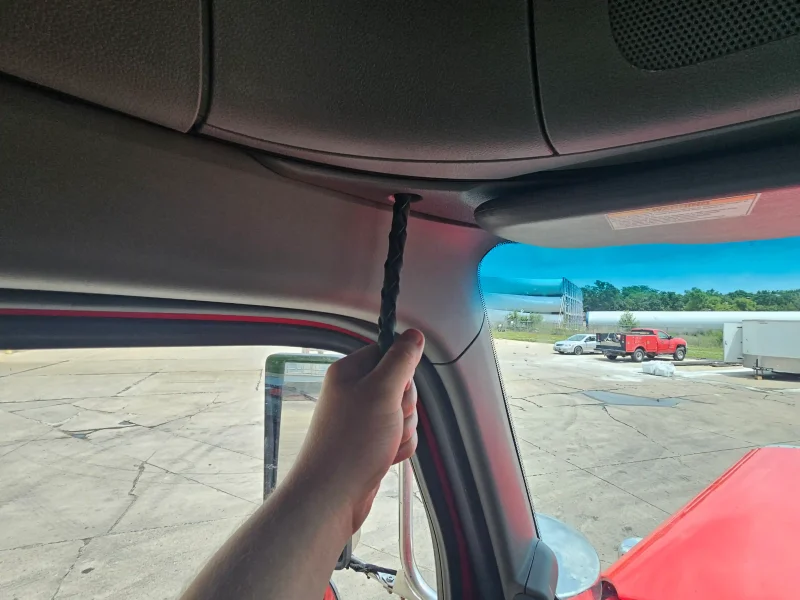
After you’ve checked the windshield, look out both windows at the mirrors. Make sure they are properly adjusted as well as clean. Mirrors help you see traffic on the side of you so you can safely change lanes.
Wipers and Washer Fluid
Things to check
- Wipers Work Properly
- Washer Fluid Comes Out
- No Streaks from Wiper Blade
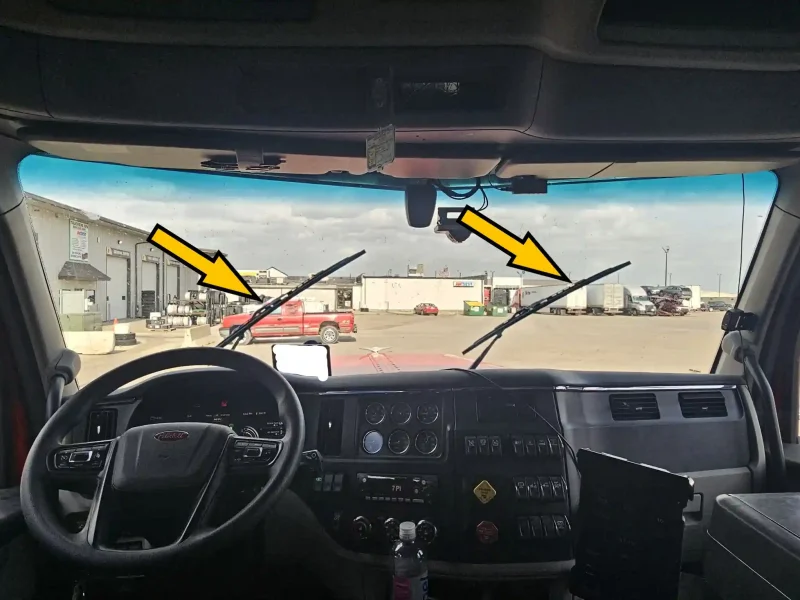
The next part of your pre-trip inspection is the windshield wipers. Make sure they operate properly and move smoothly across the windshield. The blades should be in good condition and not leave streaks. Also, check that the washer nozzles spray fluid correctly. This is important because in rain, snow, or ice storms, clear visibility helps you see where you’re going and keeps you safe on the road.
Heater/ Defroster
Things to check
- Heat Comes Out
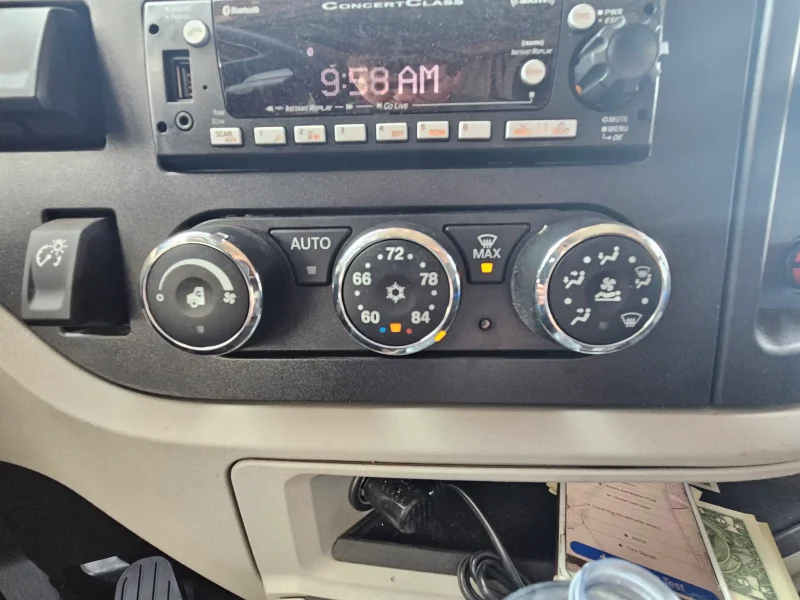
After checking the wiper blades, look at your climate control panel. Turn the heat on and check if heat comes out of the vents. Next, switch it to the defrost setting. Heat should be coming out of the window. This is important to check because when its statring to become a heavy snow storm or ice storm, you can make it to a truck stop safely and wait it out.
Get Your Free Pre-Trip Cheat Sheet
Horns
Things to check
- Steering Wheel Horn Works
- Air Horn Works
The next thing to check on your pre-trip inspection is the horns. Make sure both the air and electric horn work. This is important because it warns drivers of your presence.
Dash Lights
Things to check
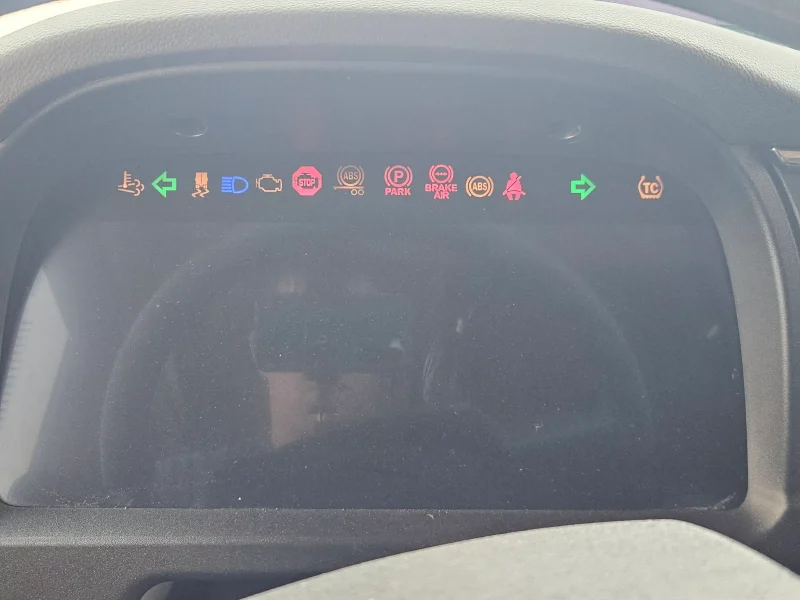
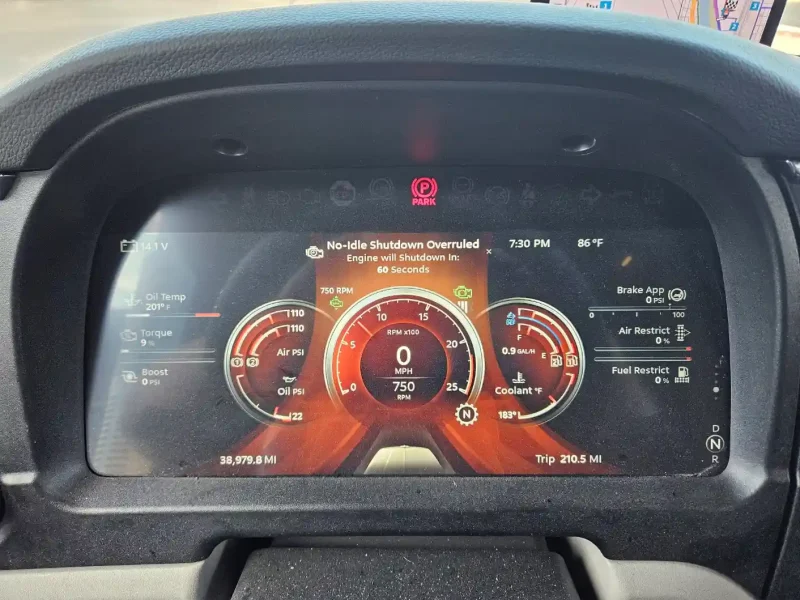
- All Lights Come On When You Start Truck
- Both ABS Lights Come Off
The next thing to check on your pre-trip inspection is the horns. Make sure both the air and electric horn work. This is important because it warns drivers of your presence.
Air Brake Test Pre-Trip Inspection
Parking Break Test
Steps
- Pull Parking Break (Yellow Knob)
- Push in Trailer Brakes (Red Knob)
- Pull Forward
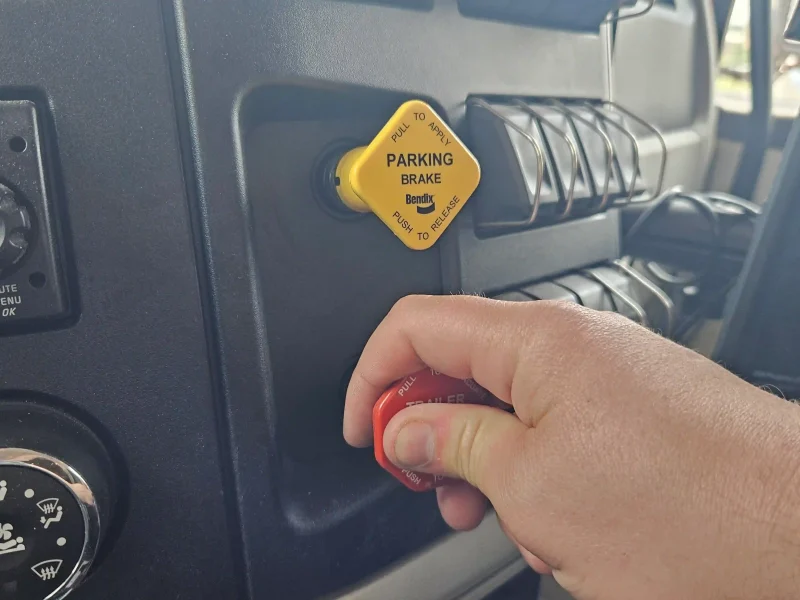
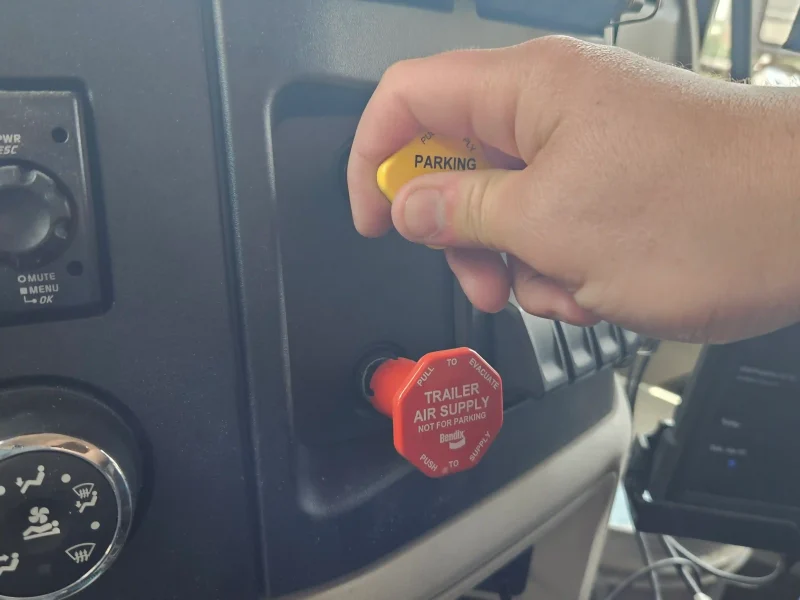
The parking brake is the brake your truck uses to stay in place. Testing it makes sure it works properly and does not leak air. To test it, push in the trailer air supply (red knob) and leave the parking brake (yellow knob) pulled out. This will release the trailer brakes and keep the truck brakes applied. Next, put the truck in gear and slowly try to pull forward. The truck should not move at all. If it does move, the parking brake may not be working correctly.
Trailer Brakes Test
Steps
- Pull Trailer Breaks (Red Knob)
- Push in Parking Brake (Yellow Knob)
- Pull Forward
The trailer brake is the brake your trailer uses to stay in place. Testing it makes sure it works properly and does not leak air. To test it, push in the parking brake (yellow knob) and leave the trailer brake (red knob) pulled out. This will release the truck brakes and keep the trailer brakes applied. Next, put the truck in gear and slowly try to pull forward. The truck should not move at all. If it does move, the trailer brake may not be working correctly.
Get Your Free Pre-Trip Cheat Sheet
Service Brake Test
Steps
- Push in Parking Break (Yellow Knob)
- Push in Trailer Brake (Red Knob)
- Pull Forward 5 MPH
- Press Break Pedal
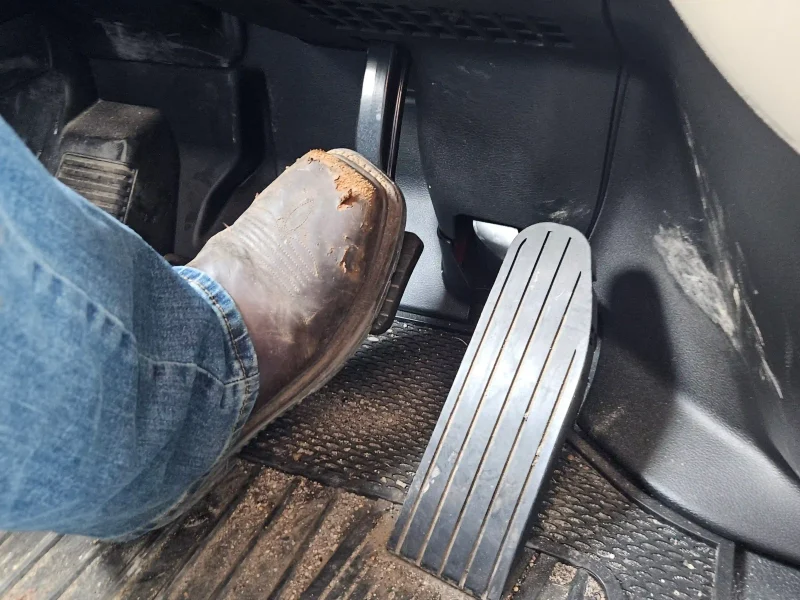
The service brakes are the brakes your truck uses to slow down while driving. It’s important to test them because faulty brakes can cause you to lose control. To check the service brakes, push in both the parking and trailer brake knobs (the yellow and red knobs). Then put the truck in gear and slowly move forward to about 5 mph. Press the brake pedal firmly. The truck should stop smoothly and not pull to either side.
Air Gauge Tests Pre-Trip Inspection
Air Gauge
Things to Check
- Air Builds to 120-140 PSI and Turns Off
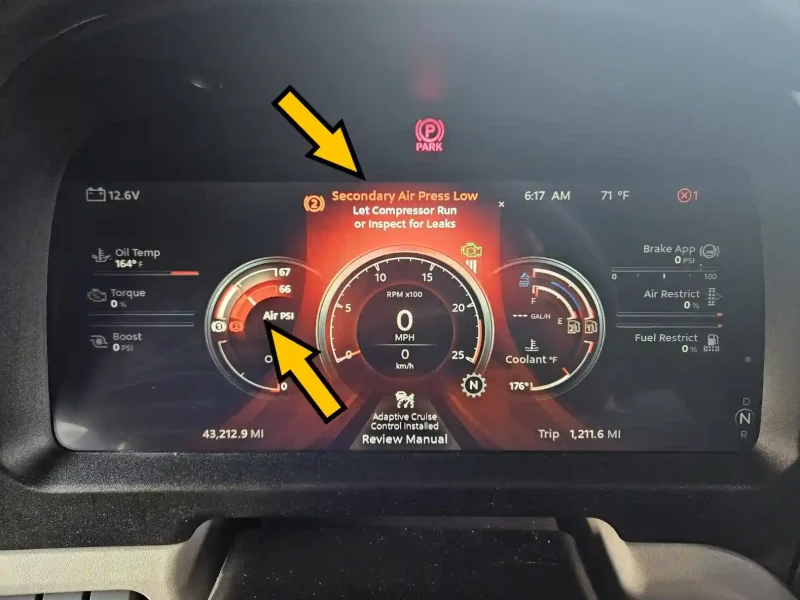
Now we’re almost done with your pre-trip inspection. Check your air gauge inside the truck. Start the engine and let the air pressure build. It should rise to about 120–140 PSI and then stop building.
If it does not reach that range or keeps dropping, you may have a leak or a problem in your air system. This is serious because your brakes run on air. Low air pressure can cause you to lose control or even keep your brakes from releasing, which could stop you in your tracks.
Air Leakage Test
Steps
- Turn Truck Off
- Keys In The On Possition
- Push in the Air brakes (Yellow And Red Knobs)
- Hold the Service brake for 1 Minute
- Air Gauge Should Not Drop More Than 4 PSI
The next three tests should be done in order. First is the air leakage test. Turn off the engine. Put the key in the “on” position so the gauges have power. Push in both the parking and trailer brake knobs (yellow and red). Then press and hold the brake pedal for one minute. The air pressure should not drop more than 4 PSI in one minute. This test checks for air leaks in the brake system, especially in the brake chambers.
Get Your Free Pre-Trip Cheat Sheet
Low Air Warning Test
Steps
- Turn Truck Off
- Keys In The On Position
- Push in the Air brakes (Yellow and Red Knobs)
- Press and Release Brakes Multiple Times
- When Air Gauge Gets Around 55 PSI a Warning Light/ Sound Should Come On
The next thing you will test is the low air warning system. Keep the engine off, but turn the key to the “on” position. Make sure both air brake knobs are pushed in. Then repeatedly press the brake pedal to lower the air pressure. The low air warning light and buzzer should come on at about 55 PSI. This warning lets you know your air pressure is getting too low. If it drops too much, you could lose braking power and control of the truck.
Emergency Brake Test
Steps
- Turn Off Truck
- Key In The On Position
- Push in Air Brakes (Yellow and Red Knobs)
- Press and Release Brakes Multiple Times
- Warning Should Come On At 55 PSI
- Both Parking and Trailer Knobs Should Pop Out At 20-45 PSI
Finally, we can check the emergency brakes. Similar to the top to tests. keep the engine off with the key in the on position. Have both the parking and trailer brakes pushed in. Repeatedly press the brake pedal. This time, once you get to 20-45 PSI, both the parking brake and trailer brakes should pop out. This happens because the truck doesn’t have enough air in the system to work properly. And take it from me, if your pressure gets this low, you shouldn’t be driving it.
Conclusion
I hope this helps you with studying for your pre-trip inspection test. Back when I was studying for my test Something like this article would have helped me a lot, because back in those days, all we had was the online DMV book and maybe a YouTube video. If this did help you, make sure you check out my phone-friendly pre-trip inspection cheat sheet. Were I condense all the info into a simple worksheet for you to take to the truck and study.

Hey there, I’m Alex. With 8 years in the trucking industry and over a decade of investing experience, my goal is to help fellow drivers succeed on the road. Whether its your first year driving or you want to become an owner operator. I’m here to help you out.